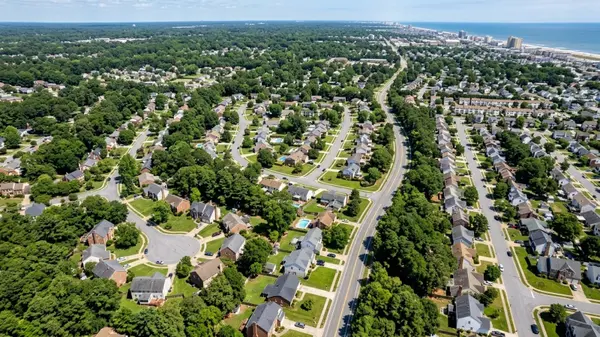
Pros and Cons of Living in Virginia Beach, VA in 2026
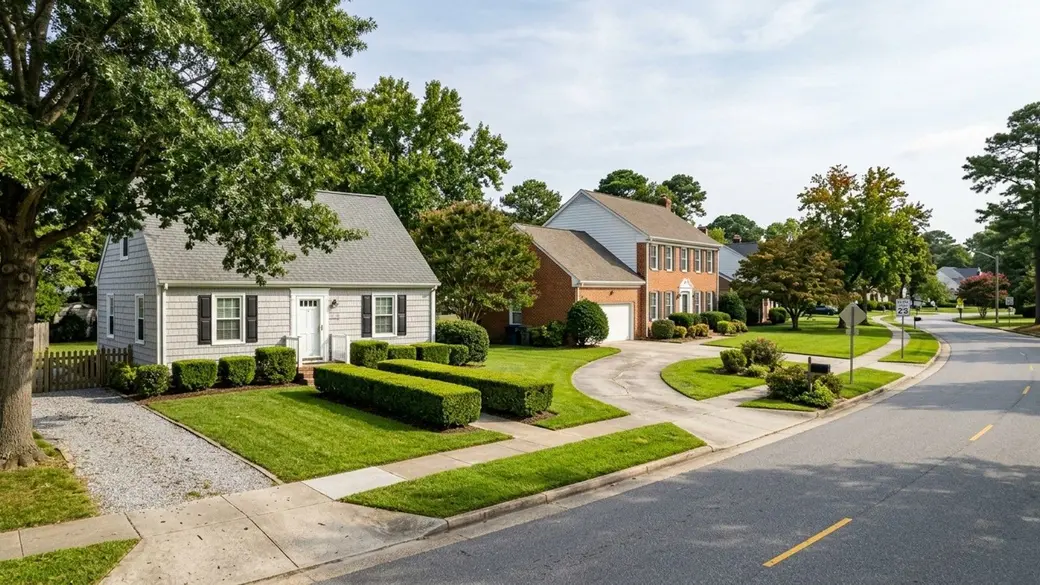
The median home price in the city sits at approximately $424,769 as of mid-2026, and that number alone tells you something about how seriously anyone buying a home in Virginia Beach, VA is taking this market. The Hampton Roads region keeps drawing steady interest, and most people evaluating it are trying to figure out whether the coastal access is worth the tunnel traffic and the overall cost of living.
Relocating here means getting honest with yourself about the local economic drivers, the weather patterns, and what the housing market actually requires of you. This guide walks through the pros and cons of living in Virginia Beach, VA using current data on housing, climate, and daily expenses.
The Reality of Living in Virginia Beach, VA
Virginia Beach operates as an independent city - it doesn't belong to any county. That structure means local services and taxes all run through one municipal government, which simplifies some things and concentrates others.
Whether this is a good place to live depends almost entirely on how well the area's natural amenities line up with your practical daily life. Property values, commute times, and environmental exposure aren't secondary considerations here - they're the whole conversation.
Pros of Relocating to Virginia Beach
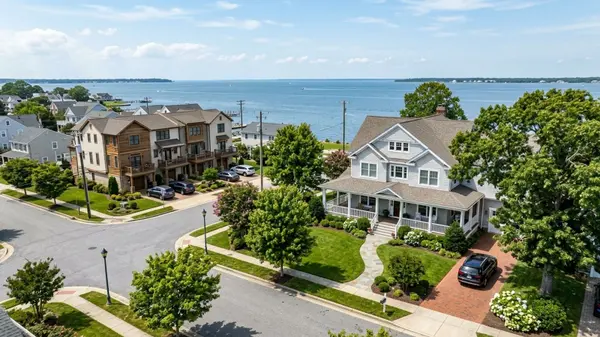
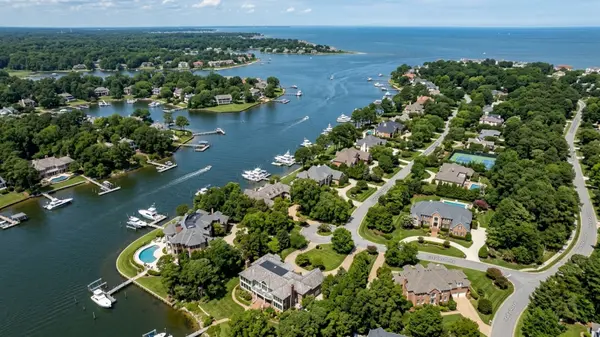
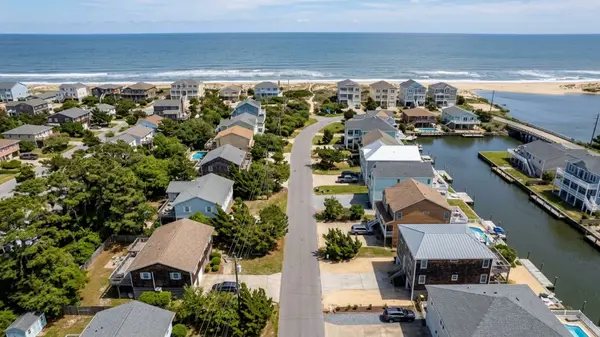
The city gives you direct access to both the Atlantic Ocean and the Chesapeake Bay, and that shapes pretty much everything about the recreation scene. First Landing State Park and the Oceanfront draw residents year-round, not just in summer.
The local economy also has a durable base. The regional military and defense contractor presence provides employment stability that most coastal markets can't match. And if you're buying, the market is moving - homes are currently spending a median of just 22 days before going under contract.
Cons to Consider Before Moving
Coastal living means coastal exposure. Hurricanes, sea-level rise, and localized flooding are persistent realities, and flood insurance isn't optional for many properties here - it's a line item you need to build into your monthly budget before you make an offer.
Traffic is the other thing nobody warns you about loudly enough. The Hampton Roads Bridge-Tunnel is a genuine chokepoint. If your commute runs through it during rush hour, plan on that adding time - sometimes a lot of it.
Independent City Status and Location
Virginia Beach sits in the southeastern corner of Virginia and operates completely outside of any county government. Residents pay taxes directly to the city. There's no county layer.
The city is part of the broader Hampton Roads metropolitan area alongside Norfolk, Chesapeake, and Newport News. That regional context matters because plenty of Virginia Beach residents work somewhere else in the metro and commute accordingly.
Access to the Hampton Roads Metro
The Hampton Roads region is stitched together by interstates and tunnels, and Virginia Beach residents lean heavily on I-264 and I-64 to move through it. Getting to Newport News or Hampton means crossing the HRBT, which backs up reliably during peak hours. Map your specific commute before you fall in love with a neighborhood.
Population and Geographic Size
Census-derived estimates for 2026 put the Virginia Beach population at approximately 452,271 residents - down from the 459,626 counted during the 2020 Census. The median age is 37.9 years, with roughly 356,490 adults and 72,515 seniors in the city.
Geographically, this place is enormous. You're looking at dense coastal corridors on one end and rural agricultural land in the south. Where you land within that footprint determines a lot about your daily life.
Virginia Beach Crime Statistics and Data
According to a February 2026 City of Virginia Beach blog post citing local police data, violent crime decreased 27% since 2023. The city recorded 419 violent crime offenses in 2025 - the lowest annual total in half a decade.
That's a meaningful trend, but the right move is always to look at primary sources rather than summaries. Official data tells you more than general reputation ever will.
Recent Crime Rate Changes
The Virginia Beach Police Department tracks and publishes these statistics on a regular basis. The recent decline in reported offenses aligns with broader regional public safety efforts, though it's worth understanding that crime rates can shift considerably depending on the specific zip code and how close a neighborhood sits to the tourism corridor.
The Oceanfront operates differently than inland residential areas - seasonally and in terms of incident patterns.
Researching Specific Areas
The Virginia Beach Police Department's crime map and the FBI's UCR/NIBRS portals let you filter incidents by block and type over specific timeframes. Use them. Real estate agents can't steer buyers toward or away from specific neighborhoods based on safety claims, and they shouldn't - but you can do your own legwork with these tools and make a fully informed decision about where to submit an offer.
The Cost of Living in Virginia Beach, VA
Salary.com reports that the 2026 cost of living in Virginia Beach is about 13% higher than the national average. BestPlaces scores it at 104.8 - or 4.8% above the U.S. average. The gap between those two estimates reflects how differently various indexes weight housing versus other categories.
On the income side, 2024 Census Bureau data showed the median household income in Virginia Beach reached $92,968, up from $90,685 the previous year. That matters because coastal housing and utilities push costs up, and local incomes do some of the work of offsetting that.
Home Prices and Real Estate Trends
As of mid-2026, the median sale price stands at approximately $424,769, a 7.5% increase year-over-year. Over 40% of homes are selling above list price. Inventory sits at about 1.9 months of supply with roughly 1,100 active listings.
This is an active, competitive market. Strong initial offers and pre-arranged financing aren't nice-to-haves - they're table stakes.
Income Needed to Live Comfortably
A 2026 analysis by CityWage estimates that a single adult needs about $96,136 per year - or $8,011 a month - to live comfortably in Virginia Beach using the 50/30/20 budget rule, which is about 3% higher than their national average estimate. Apartments.com puts the figure lower, at $55,416 a year for a single adult, and a 2025 report using Storeganise and Zillow data landed around $92,000.
The range is wide enough that you really do need to run your own numbers. Debt load and housing target make more difference here than any single published estimate.
Climate, Natural Hazards, and Utilities
Virginia Beach sits on the Atlantic, which means coastal storm exposure is baked into ownership here. Summers are hot and humid. Winters are generally mild, though that's relative. What doesn't vary is the environmental risk, and understanding it is a standard part of local due diligence - not an afterthought.
Hurricanes and Flooding Risks
The region is in the path of Atlantic hurricanes and tropical storms, and you don't need a named storm for flooding to be a problem. Heavy rain and tidal shifts regularly cause localized street flooding in lower-elevation areas throughout the year.
Check the FEMA flood zone map for any property you're serious about. Homes in high-risk zones require separate flood insurance, and that cost needs to be factored into your monthly carrying cost before you run your numbers on affordability.
Water Quality and Utilities
Most residential areas in the city are on public utilities. Some rural properties in the southern half run on well water and septic systems - worth confirming during due diligence if you're looking in that part of the city.
Virginia Beach tap water is treated and monitored to meet federal and state drinking water standards. The city publishes an annual water quality report with testing results for specific contaminants, and it's available online if you want to get into the details on mineral content or water source.
Comparing Virginia Beach to Nearby Alternatives
Buyers looking at Hampton Roads almost always end up comparing Virginia Beach to Norfolk, which sits directly to the west. Both cities offer coastal access. The housing styles, daily logistics, and feel of each place are genuinely different.
Budget, commute, and preferred amenities are what push most buyers one direction or the other. Each city runs its own independent municipal services and sets its own tax rates.
Tradeoffs Between Virginia Beach and Norfolk
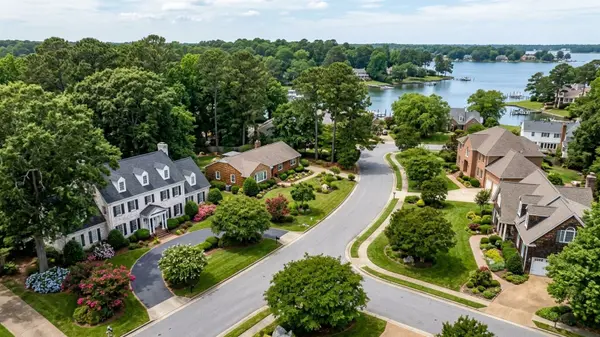
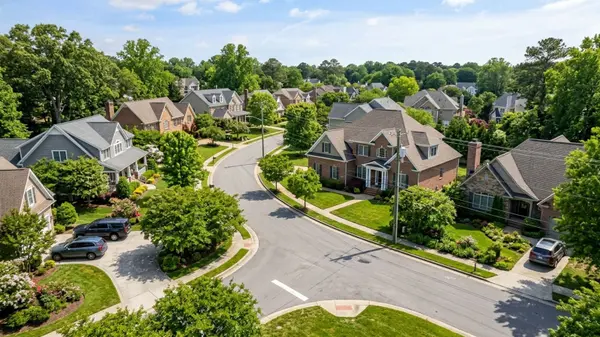
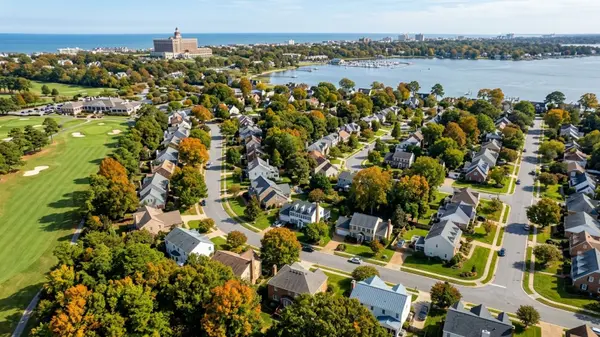
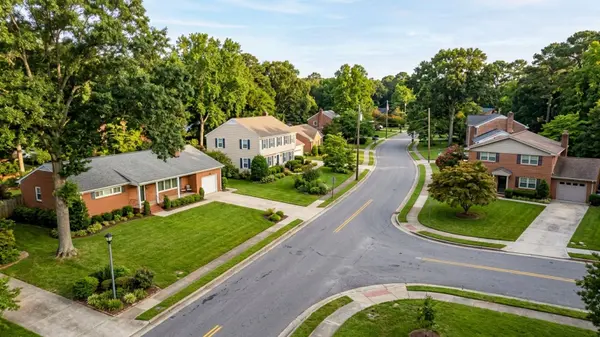
Virginia Beach is predominantly suburban - larger lots, subdivisions, and direct access to the Atlantic Oceanfront. Norfolk is denser, more urban, with historic home styles and a concentrated downtown. Neither is better; they serve different buyers.
Housing costs differ between the two municipalities, and so do property tax rates. Virginia Beach and Norfolk each set their own assessments and percentages, so a side-by-side comparison on taxes is worth doing before you decide which direction to focus your search.
Commute Times and Tunnel Traffic
Commuting from Virginia Beach to military bases or shipyards in Norfolk is mostly a highway commute on I-264, and that corridor fills up fast during morning and afternoon shift changes.
If your workplace is in Newport News or Hampton, you're crossing the HRBT every day. That tunnel is a known chokepoint - delays can easily double a standard commute time on a bad afternoon. It's the kind of thing you want to experience firsthand before you're locked into a purchase.
Specialized Housing Options in the City
With over 72,000 seniors living in Virginia Beach per the 2026 Census estimates, the city has built out a meaningful range of housing options for older adults and those who need specific care services. These facilities are distributed across both the inland and coastal sectors of the city.
Senior and Assisted Living Facilities
Senior living in Virginia Beach, VA includes 55-and-over communities with maintenance-free exteriors and single-story floor plans - typically with clubhouses and community pools as part of the package.
For families who need more support than that, assisted living in Virginia Beach, VA covers daily care, meal services, and medical monitoring. Tour multiple facilities before making a decision - monthly costs and available medical resources vary more than the brochures suggest.
Sober Living Options
The city also has transitional housing programs for individuals in recovery. Sober living in Virginia Beach, VA provides structured, substance-free environments with house rules and required participation in community meetings. Availability and specific program requirements differ by facility, so direct contact with each program is the right starting point.
Local Amenities for Residents
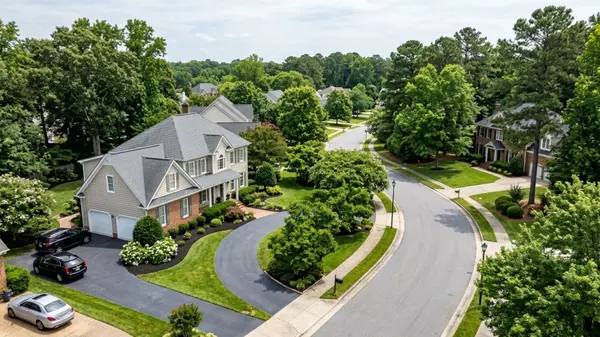
Virginia Beach maintains over 200 city parks and miles of public beaches. The infrastructure supports year-round outdoor recreation as well as a busy summer tourism season. That said, amenities are spread across a city with a massive geographic footprint - what's convenient depends almost entirely on which zip code you're in.
Schools and Parks
Public education is administered by Virginia Beach City Public Schools. Attendance zone boundaries can shift with enrollment numbers, so verify the current boundary maps on the district's website rather than assuming based on address alone.
The parks system includes major draws like First Landing State Park, with hiking trails and kayak launches, alongside smaller municipal parks with playgrounds and sports fields spread through the inland neighborhoods.
Healthcare and Entertainment
Regional hospital systems operate major medical centers and outpatient facilities within the city limits. Residents have access to specialized senior services and emergency care without leaving Virginia Beach.
Entertainment runs the range from restaurants and live music at the Oceanfront to retail at the Town Center district. Summer brings festivals and events that pull in both locals and visitors - which is worth knowing if you live near any of those corridors.
Frequently Asked Questions
Is the cost of living in Virginia Beach, VA higher than the national average?
Yes. Salary.com estimates it's about 13% higher than the U.S. average, while BestPlaces scores it at 4.8% above. Housing and utilities are the primary drivers of that difference.
How bad is the flooding and hurricane risk for homeowners in Virginia Beach?
It's a persistent reality, not an occasional concern. The city is exposed to Atlantic hurricanes, and heavy rain regularly causes localized street flooding. Check the FEMA flood zone map for any property you're considering - it determines whether separate flood insurance is required.
Does summer tourist traffic make it difficult for locals to get around the city?
It depends on where you live and where you're going. The Oceanfront and I-264 corridors see real congestion during summer months. Inland and southern neighborhoods are much less affected.
Are there good job opportunities in Virginia Beach if you aren't in the military?
Yes. The military and defense sectors are major employers regionally, but healthcare, tourism, and education also provide significant employment. The broader Hampton Roads economy adds more options within commuting distance.
How does living in Virginia Beach compare to neighboring cities like Norfolk or Chesapeake?
Virginia Beach offers more ocean access and suburban-style subdivisions compared to Norfolk's denser, urban environment. Chesapeake has a similar suburban character but sits further inland, which takes oceanfront tourism entirely out of the picture.
Which Virginia Beach neighborhoods are best for year-round residents wanting to avoid the oceanfront crowds?
Buyers focused on avoiding tourist traffic tend to look at the inland sectors or the southern agricultural areas of the city. A map of the city's municipal boundaries will show clearly how far specific subdivisions sit from the resort area.
Categories
Recent Posts