55+ and Retirement Communities in Virginia Beach, VA: Costs, Types, and Local Options
The median home price in Virginia Beach, VA recently hit roughly $430,965, with homes spending an average of 25 days on the market. If you're an older adult looking to downsize, transition into specialized housing, or just weigh the pros and cons of living in Virginia Beach, that's a fast-moving landscape - and with just 1.9 months of available inventory, you don't have a lot of time to figure things out on the fly.
What helps is knowing your options before you start touring. From waterfront complexes near the Oceanfront to quieter subdivisions in Great Neck, the city has a real range of property types and financial structures for buyers and renters alike. The trick is matching the right model to your physical needs, your timeline, and what you can afford.
Overview of Senior Living in Virginia Beach
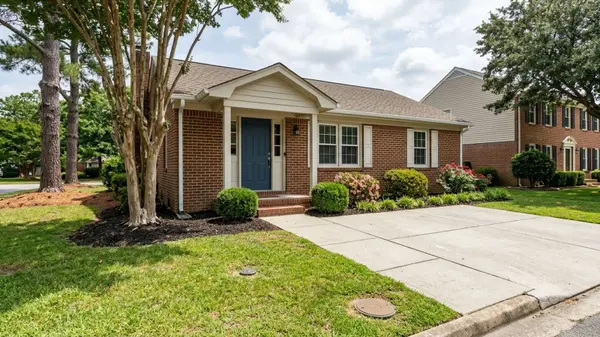
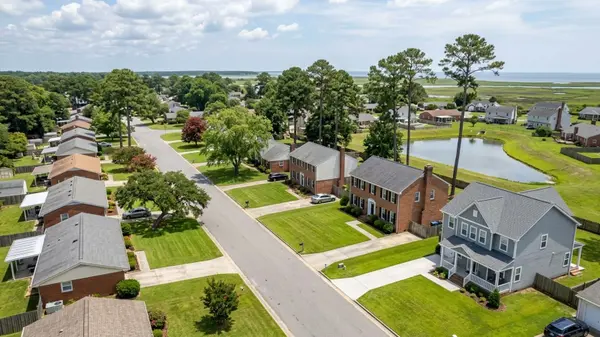
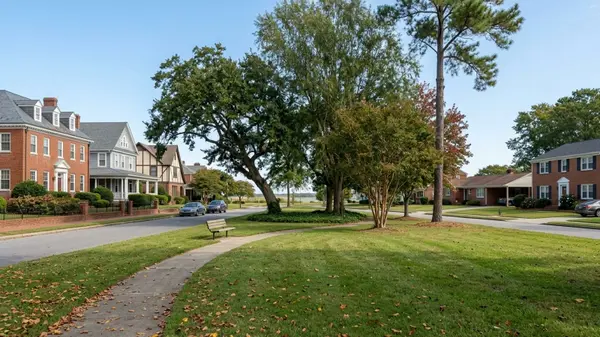
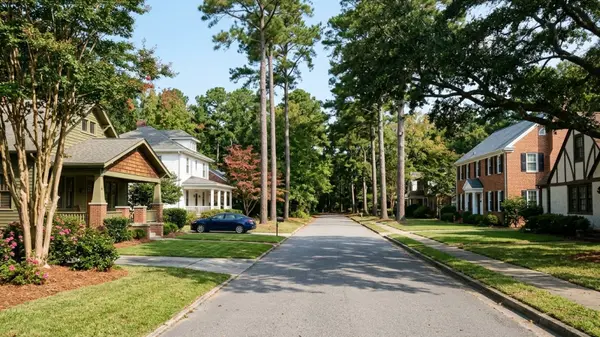
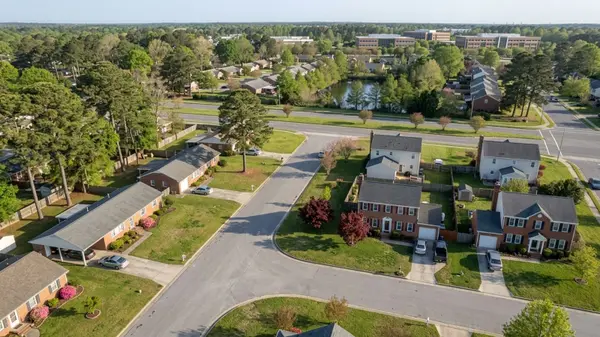
Most buyers I work with in this space are focused on age-restricted developments - properties designed specifically for older adults. That category is broader than people expect. It includes standalone single-family homes in gated neighborhoods and large apartment complexes with shared dining and recreation facilities. Some feel like resort communities; others feel like quiet suburbs where nobody leaves their lawn equipment out.
The local market offers both ownership and rental models. Whichever direction you're leaning, read the homeowner association documents carefully. Those bylaws govern everything from pet ownership to who's responsible for exterior maintenance, and the details matter more than most buyers realize until after closing.
The 80/20 Age Requirement Explained
Federal law allows age-restricted housing under specific conditions. In a legally designated 55+ community, at least 80% of the occupied units must include one resident who is 55 or older.
That leaves a technical 20% window for younger residents - but don't assume that means younger buyers are welcome. Many homeowners associations adopt strict bylaws that prohibit younger buyers entirely. Read the specific property guidelines before you make an offer or sign a lease. What federal law permits and what a particular HOA allows are two different things.
Housing Options for Older Adults
There are several distinct property classifications in the Virginia Beach 55+ market, and they're not interchangeable. Each one offers a different level of independence, medical support, and community involvement.
Which category fits you depends on your current health and your long-term financial planning. Some facilities require a large upfront payment. Others run on a standard month-to-month lease. Knowing the difference before you tour saves a lot of wasted time.
Active Adult and Independent Living
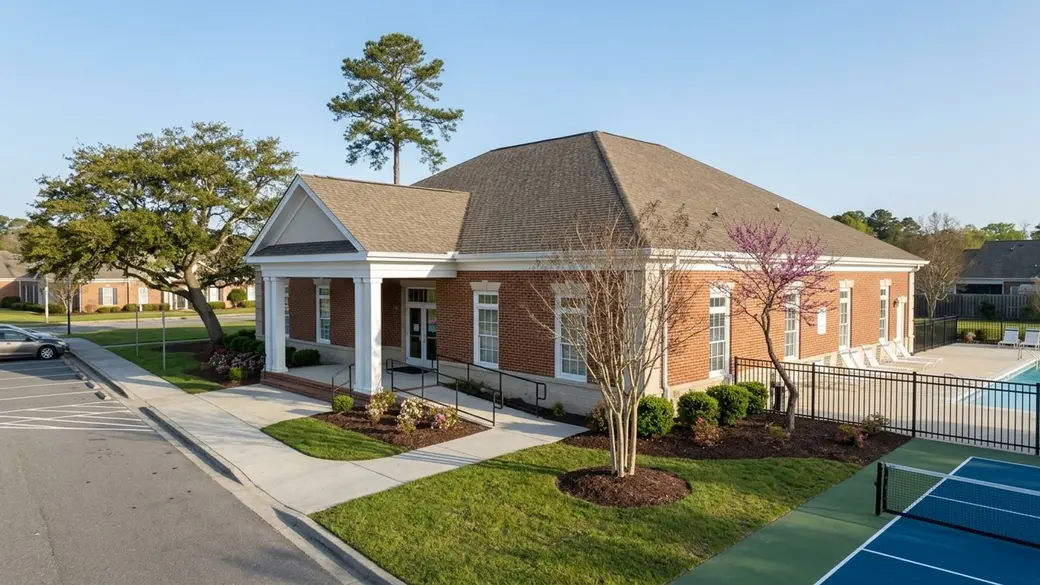
Active adult communities are built for people who want a low-maintenance lifestyle without on-site medical care. You'll typically find clubhouses, pools, and organized social events - it's a social structure as much as a housing type.
Independent living facilities work similarly but usually take the form of apartment buildings rather than single-family homes. Residents handle their own daily routines while sharing dining rooms and scheduled transportation services.
Continuing Care and Assisted Living
Continuing Care Retirement Communities - CCRCs - provide tiered housing that adjusts as your health changes. You might start in an independent apartment and move to an assisted living or nursing wing on the same campus later, without uprooting your life entirely. For buyers who are planning ahead rather than reacting to a health event, that flexibility has real value.
Assisted living facilities offer daily help with medication, bathing, and meals, usually for a flat or tiered monthly fee. Virginia Beach has standalone assisted living centers and others integrated into larger CCRC campuses.
Popular Local Communities and Neighborhoods
Location shapes both the price and the day-to-day feel of a property. Developments in the northern part of the city - Great Neck in particular - put you close to the Chesapeake Bay and established shopping. Properties near the Oceanfront or Broad Bay tend to command higher prices and higher monthly fees.
Buyers who want something quieter often look further south toward Pungo or inland toward the Kempsville area. Neither is a wrong answer; they're just different tradeoffs.
High-End and Luxury Properties
On the premium end, Westminster-Canterbury on Chesapeake Bay and Atlantic Shores are the names that come up most often. Both campuses offer multiple dining venues, fitness centers, and direct water access. These are serious amenity packages - and they come with serious entrance fees on top of monthly service charges.
Regional operators including Commonwealth Senior Living and Kisco Senior Living also maintain upscale properties throughout the city. Same story: expect substantial upfront costs.
Affordable and Mobile-Home Options
If you're looking for a lower entry point, 55+ mobile-home communities are worth a look. Detached living, minimal yard work, and lower property taxes compared to traditional single-family homes - it's a practical setup that more buyers should consider before dismissing it.
Subsidized senior apartments exist for those who meet specific financial criteria, but the waitlists for low income senior housing in Virginia Beach can be long. If you think you might qualify, submit your paperwork well before you need to move.
Expected Costs for Senior Housing in Virginia Beach
The sticker price is only part of the picture. Buyers need to factor in monthly HOA dues, property taxes, and potential entrance fees before they know what a property costs to own.
With the median home sale price sitting around $430,965, many retirees fund their next move with equity from their current house. That's a reasonable strategy in this market - but renters face a completely different set of variables depending on the facility type, so the math looks different depending on which direction you go.
Average Rents and Entrance Fees
The average cost for a 55+ apartment in Virginia Beach is $1,663 per month, with typical rents ranging from roughly $1,618 to $2,289 depending on unit size and location.
CCRCs are a different financial conversation entirely. City-specific averages aren't published, but statewide data for Virginia shows CCRC entrance fees ranging from about $150,240 to $540,289, with monthly fees averaging $2,337 to $4,595. That's a wide range, and where a specific community falls within it depends on the campus and the contract type.
Income Limits and Financial Assistance
If you're pursuing affordable housing options, you'll need to meet specific income thresholds. Under HUD's FY2026 guidelines, the low-income limit for a single person in Virginia is $67,500, and $77,150 for a two-person household.
For Medicaid assistance, the bar is much lower. Seniors generally qualify if their income falls below 80% of the Federal Poverty Level - roughly $14,580 per year for a single person. That's a significant gap between the two programs, and it's worth understanding which one you might be eligible for before you start applying.
Deciding if Virginia Beach is the Right Fit
Coastal living sounds appealing until you start running the numbers on everyday expenses. The cost of living in Virginia Beach sits modestly above the national average, with BestPlaces reporting an index of 104.8. That's not dramatic, but it's worth factoring in alongside what you're getting for it.
The city does offer a temperate climate, extensive parks, and a strong network of medical providers - infrastructure that matters more as you get older.
Healthcare Access and Local Services
Medical access is worth evaluating carefully before you commit to any neighborhood. Sentara Health is the dominant hospital system here, operating both Sentara Princess Anne Hospital and Sentara Virginia Beach General Hospital.
Bon Secours and Children's Hospital of The King's Daughters also serve the broader metro area. That concentration of major facilities means you're generally not looking at long drives to reach a specialist - which is a real quality-of-life factor for older adults.
Weighing the Pros and Cons
A dedicated 55+ neighborhood gives you a built-in social network and eliminates exterior home maintenance. Many residents genuinely appreciate the quieter streets and the amenities that are designed for how they live.
The downsides are real, though. High HOA fees, restrictions on younger family members moving in, and limited inventory are hurdles that catch buyers off guard. Go in with your eyes open on all three.
Frequently Asked Questions
Is Virginia Beach, VA a good place to retire?
It's a reasonable case. The cost of living is only slightly above the national average at 104.8, and residents have direct access to major facilities like Sentara Virginia Beach General Hospital. The coastal amenities and medical infrastructure are both solid.
What is the average entrance fee for a CCRC in Virginia Beach?
City-specific averages aren't published, but statewide Virginia data shows CCRC entrance fees typically ranging from $150,240 to $540,289. On top of that, monthly service fees average between $2,337 and $4,595.
How does the 80/20 rule affect who can live in a Virginia Beach 55+ community?
Federal law requires that at least 80% of occupied units include one resident who is 55 or older. What happens with the remaining 20% is up to the community's homeowner association - some allow younger buyers, many don't.
Is it better to rent or buy in a Virginia Beach 55+ community?
It depends on your financial goals and how long you plan to stay. Buying makes sense if you want to build equity in a market where the median home price is $430,965. Renting gives you flexibility without large entrance fees or property maintenance responsibilities.
What are the biggest downsides or hidden rules to watch out for in a 55+ community?
Strict HOA regulations and rising monthly fees are the most common issues. You should also verify the rules on younger family members before you sign anything - many communities prohibit adult children or grandchildren from moving in long-term, and that surprises people.
What are the most important things to look for when touring retirement communities in Virginia Beach?
Look hard at the monthly HOA fees, the physical condition of the shared amenities, and how close the community sits to medical care like Sentara Princess Anne Hospital. Ask current residents - not staff - about how management responds when something goes wrong. That conversation tells you more than any brochure will.
Categories
Recent Posts