What to Expect From Weather Patterns in Virginia Beach, VA
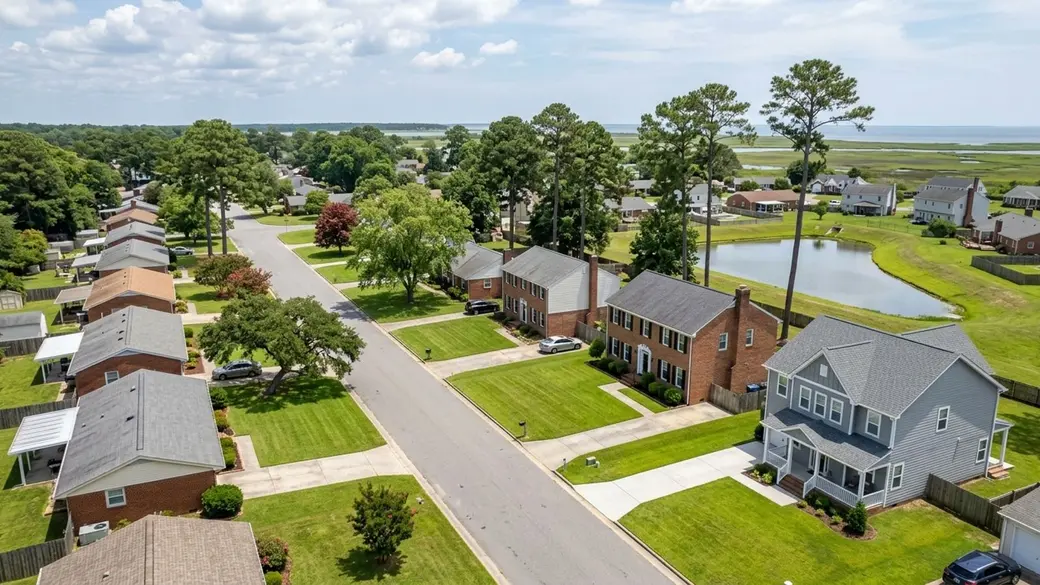
Virginia Beach, VA sits at a low elevation of roughly 10 to 12 feet above sea level, right where the Atlantic Ocean meets the Chesapeake Bay. That position drives just about everything you'll notice in the local weather - moderating winter lows, fueling summer humidity, and keeping the deep freeze that hammers western Virginia largely at bay. The surrounding water acts as a massive temperature regulator, and once you've lived here through a full year, you feel that in ways a weather chart doesn't quite capture. This coastal climate is a major factor when weighing the pros and cons of living in Virginia Beach.
If you're evaluating homes in the Hampton Roads region, understanding the seasonal shifts, average temperatures, and coastal storm risks isn't optional background reading - it shapes real decisions about flood insurance, HVAC budgets, and how you'll maintain whatever property you buy. The climate here is genuinely pleasant for most of the year. It also comes with real responsibilities.
The Year-Round Climate of Virginia Beach, VA
Virginia Beach carries a humid subtropical climate - labeled Cfa under the Köppen-Geiger classification system, which means long, warm summers and relatively mild winters. The marine air is persistent, keeping the environment moist year-round and requiring the kind of moisture control in homes that buyers coming from drier climates sometimes underestimate.
Compared to inland areas, the temperature swings are gentler. You'll get four distinct seasons, but the transitions are gradual, and the deep-winter freeze is short. It's not a dramatic climate - it's a consistently coastal one, with all the advantages and maintenance considerations that implies.
The Humid Subtropical Environment
Based on the 2023 USDA Plant Hardiness Zone map, Virginia Beach falls into zones 8a and 8b. Oceanfront neighborhoods generally sit in zone 8b, where the average annual minimum temperature drops to between 15°F and 20°F. Move further inland and some areas shift into zone 8a, with slightly cooler minimums of 10°F to 15°F.
That mild baseline supports a long growing season - useful if you garden, less pleasant if you're trying to avoid mosquitoes, which stay active for a larger portion of the year than you might expect.
Seasonal Changes and Conditions
The transitions between seasons bring distinct shifts in both temperature and precipitation, and your home maintenance calendar will follow them closely. Gutters need attention in the fall. HVAC systems need a checkup before summer gets serious.
One thing worth knowing if you're house-hunting in spring: the mild weather that makes April showings so pleasant is also the season that hides problems. Crawlspace ventilation issues, for example, often don't announce themselves until summer humidity arrives. A good inspection will look for those things regardless of the time of year.
Monthly Temperature Averages
Temperature variations in the Hampton Roads area follow a predictable coastal pattern. The ocean buffers the city from the sharp daily drops you'd see in inland Virginia, creating a more consistent thermal environment across the year.
That consistency matters for utility planning. Heating and cooling systems here run year-round - air conditioning through the long summer, then moderate heating during a relatively short winter season. Neither end is extreme, but neither end disappears entirely.
The Warmest and Coolest Months
July is the hottest month, with average highs running around 86°F to 88°F and overnight lows near 73°F. Afternoon thunderstorms roll through regularly during these warmer months, offering brief relief while coastal breezes help moderate temperatures for neighborhoods closest to the water.
January is the coldest point of the year - average highs hover around 49°F to 50°F, with overnight lows dipping to approximately 33°F to 35°F. Freezing temperatures do occur. Prolonged deep freezes don't. That means winterization here is real but not the intensive undertaking it would be in colder climate zones.
Spring and Fall Transitions
April brings average highs near 67°F and lows around 50°F. October mirrors that comfort with average highs of 70°F and lows near 56°F - two months that are genuinely easy to be outside in.
Homeowners tend to use these shoulder seasons strategically: roof inspections, siding cleaning, repairs from summer storms or winter wind. If you're moving here, these are also the months when it's easiest to assess a property's exterior without battling heat or rain.
Precipitation and Humidity Levels
Moisture is a constant in this climate. Virginia Beach receives approximately 47 inches of rain annually, which surpasses the national average of about 38 inches. The landscape is lush partly because of it - but that same rainfall means effective drainage isn't optional. Proper grading, functional gutters, and well-maintained downspouts come up in local property inspections for a reason.
This isn't a climate where you can defer drainage maintenance and hope for the best.
Annual Rainfall and Humidity
The annual average relative humidity sits at roughly 68%. August is the most saturated month, with humidity levels peaking between 74% and 77%. April offers the driest air of the year, dropping to around 62% to 64%.
If you're looking at properties with basements or crawl spaces, verify that vapor barriers and dehumidifiers are in place. Managing indoor humidity is standard coastal homeownership practice - hardwood floors and mold don't mix well, and the air here will test both.
Snowfall Expectations
Winter precipitation is mostly rain. Virginia Beach averages just 4 to 8 inches of snow per year, well below the national average of 28 inches. When it does fall, it typically melts within a day or two - the coastal position keeps ground temperatures just warm enough to prevent major accumulation in most storms.
Snow removal equipment is rarely needed. That's one maintenance cost that simply doesn't follow you here from northern climates.
Coastal Storms and Flood Risks
At 10 to 12 feet above sea level, managing water is part of life here - not occasionally, but as an ongoing reality. Data shows 57% to 73% of properties face flood risk over a 30-year period. Sea level rise and coastal erosion compound those risks along both the Atlantic Ocean and the Chesapeake Bay.
Before you make an offer on any property here, pull the flood zone map and ask for the elevation certificate. Those two documents directly determine your insurance requirements and costs, and they're not details you want to discover after closing.
Hurricane Season and Nor'easters
The Atlantic hurricane season runs from June through November. Past events - Hurricane Isabel in 2003 and Hurricane Irene in 2011 - caused major flooding and wind damage across the region. Those aren't distant historical footnotes; they're part of how people here think about storm preparedness.
Nor'easters add another layer of risk during winter and early spring, generating strong winds and coastal storm surges. Homes in vulnerable neighborhoods often feature raised foundations, reinforced garage doors, and impact-resistant windows - not upgrades, exactly, but standard features in a market that has learned from experience.
Managing Flood Risks
Homeowners in designated flood zones routinely carry specialized insurance policies, and the local government maintains ongoing infrastructure projects - pump stations, seawalls - to manage stormwater during extreme events.
When you're evaluating a property, ask the seller for any history of water intrusion and check the age of the roof. Features like French drains and permeable driveways aren't just landscaping choices here - they add tangible value because buyers know what those systems do.
Timing Your Move to the Coast
Moving in peak summer means dealing with heat and humidity that makes loading and unloading genuinely punishing. Add the threat of late-summer tropical weather and you can have a situation where closing dates and moving schedules get complicated fast. If you're targeting an August or September move, watching the forecast isn't optional - it's standard practice for anyone closing between August and October.
Ideal Months for Relocating
April, May, September, and October are the most favorable months. The moderate temperatures and lower humidity reduce the physical strain of moving day and make settling in considerably easier.
These months also align well with the local real estate cycle. You can view properties without fighting summer heat or winter rain, which makes it easier to evaluate outdoor spaces and get a feel for a neighborhood rather than just enduring it.
Regional Climate Comparisons
Virginia Beach experiences fewer temperature extremes than inland Virginia cities. The ocean buffers the city from both the intense summer heat waves and the deep winter freezes that are common in the western part of the state.
That coastal advantage comes with tradeoffs: higher humidity and greater exposure to tropical storm systems. Buyers weighing Hampton Roads against inland areas are essentially trading temperature volatility for marine moisture and coastal storm readiness. Neither side of that tradeoff is obviously better - it depends on what you're prepared to manage.
How the Climate Affects the Local Housing Market
Weather shapes what sells here and how fast. Homes elevated above flood zones or built with storm-rated features tend to attract attention and move faster than properties that aren't. That's not hype - it's buyers doing the math on insurance costs and long-term maintenance.
The median sale price in Virginia Beach, VA recently reached approximately $431,000, with properties spending roughly 25 days on the market before going under contract.
Factoring Weather into Your Home Search
Fiber cement siding, architectural shingles, and storm-rated doors hold up against salt air and wind better than standard alternatives. If you're evaluating coastal properties, those materials are worth looking for - they perform differently in this environment than they would inland.
Updated HVAC systems carry a real premium here too, given the long cooling season. A properly sized, well-maintained air conditioning unit is a genuine selling point in a market where summer highs routinely reach the upper 80s.
Current Market Conditions
Inventory remains tight - around 1,180 homes currently available across the city. With roughly 36% of properties selling above list price and just 1.9 months of supply, well-maintained homes in higher-elevation neighborhoods attract immediate interest and frequently close on terms favorable to sellers.
If a climate-resilient property comes up that checks your boxes, don't assume you have time to think it over for a week.
Frequently Asked Questions About Virginia Beach Weather
What is the weather like in Virginia Beach, VA year round?
Virginia Beach, VA features a humid subtropical climate with long, warm summers and mild, short winters. Average temperatures range from lows around 33°F in January to highs near 88°F in July. The city also experiences consistent precipitation, averaging about 47 inches of rain annually.
Does it snow in Virginia Beach, VA, and how much?
Yes, but amounts are minimal compared to national averages. The city receives roughly 4 to 8 inches of snow per year. Most winter precipitation falls as rain due to the moderating effect of the nearby ocean.
Is it humid in Virginia Beach, VA?
Yes. The annual average relative humidity is approximately 68%. August is the most humid month, with levels reaching between 74% and 77%, while April offers the lowest humidity at roughly 62% to 64%.
Are there tornadoes or severe weather in Virginia Beach, VA?
The primary severe weather risks are hurricanes, tropical storms, and nor'easters rather than tornadoes. These coastal storms bring strong winds, storm surges, and major flooding risks - especially since the city sits at a low elevation of 10 to 12 feet.
Will the coastal weather in Virginia Beach, VA require me to buy flood or windstorm insurance?
It depends on the specific property's location and elevation. With 57% to 73% of properties facing flood risks over a 30-year period, many homeowners are required by their mortgage lenders to carry flood insurance.
When is the best time of year to plan a move to Virginia Beach, VA to avoid extreme weather?
Spring and fall are the most comfortable times to move. April and October offer moderate temperatures in the 60s and 70s, avoiding the extreme heat of July and the peak hurricane risks of late summer.
How does the climate in Virginia Beach, VA compare to inland Virginia cities?
Virginia Beach experiences milder winters and less extreme summer heat than inland areas because the Atlantic Ocean regulates the temperature. The coastal location does, however, result in higher humidity and a greater risk of tropical storms.
Categories
Recent Posts