Comparing Real Estate in Virginia Beach, VA vs Norfolk in 2026
If you're relocating to Hampton Roads and trying to decide between Virginia Beach, VA and Norfolk, you're not alone - this is one of the most common conversations I have with buyers. The two cities share a border and a lot of history, but once you start comparing home prices, tax rates, and daily commutes, they feel like very different places. Getting clear on those differences early saves you a lot of wasted open-house weekends, especially when weighing the pros and cons of living in Virginia Beach, VA.
Norfolk leans urban - historic districts, condo developments, walkable streets along the Elizabeth River. Virginia Beach spreads out considerably more, with suburban neighborhoods and waterfront properties facing both the Chesapeake Bay and the Atlantic Ocean. Your budget and how you want to spend your evenings will do most of the deciding for you.
Real Estate Prices and Property Taxes
The price gap between these two cities is real, and so is the tax-rate flip - Virginia Beach costs more to buy into, but Norfolk costs more to hold.
In Virginia Beach, the median sale price sits at roughly $430,965. Homes move fast here - about 25 days on market - and with around 1,180 active listings and over a third of recent sales closing above asking price, you need to come in prepared. This isn't a market where you can take a week to think it over.
Norfolk's numbers tell a different story. The typical home value runs around $315,458, with median sale prices near $327,333. That gap is meaningful, and for buyers trying to stretch their purchasing power, it matters.
Where Norfolk catches up is on the tax bill. For the 2025 tax year, Norfolk's real estate tax rate was $1.230 per $100 of assessed value. Virginia Beach came in at $0.970 per $100 for the same period. Before you get too excited about Norfolk's lower purchase prices, run the full monthly payment with that rate included.
Housing Styles and Property Types
These two cities look nothing alike, and that's not an accident - it's history.
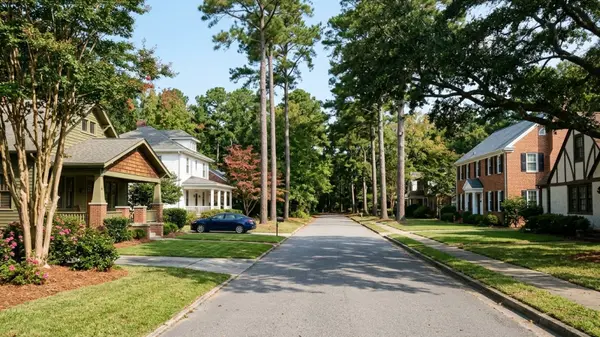
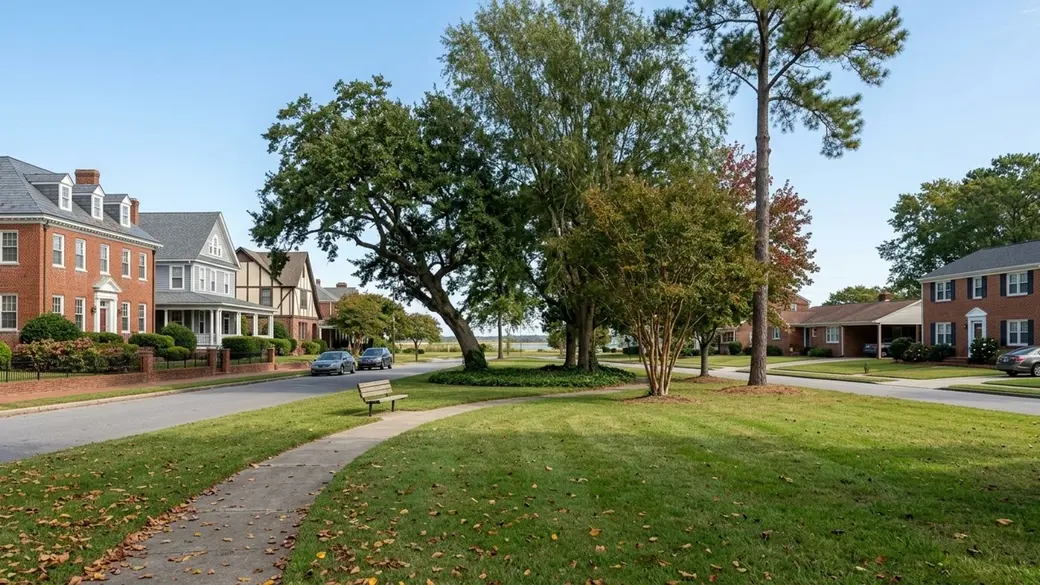
Norfolk's Ghent Historic District is the clearest example. The homes here were built mostly between 1890 and 1930, and touring Ghent and North Ghent means you'll see Colonial Revival, Queen Anne, Tudor Revival, Shingle, and Greek Revival all on the same block. Closer to downtown and Colley Avenue, the stock shifts toward turn-of-the-century apartment buildings and condo conversions - a very different product for a very different buyer.
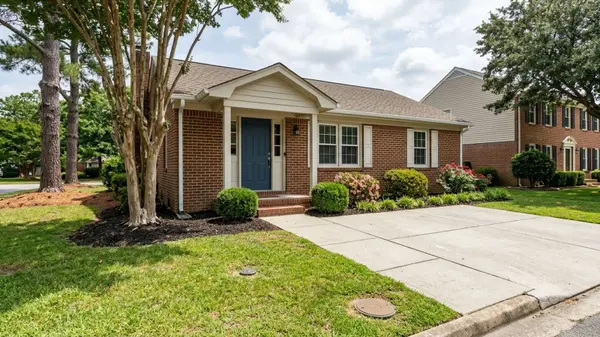
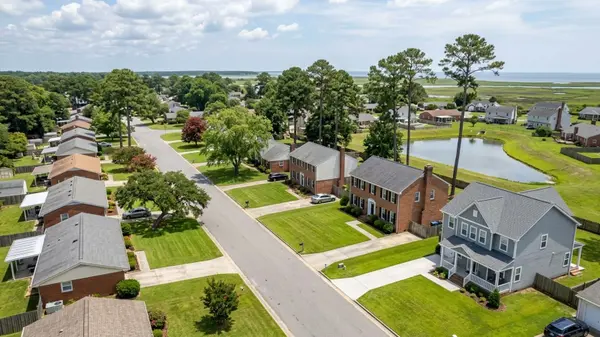
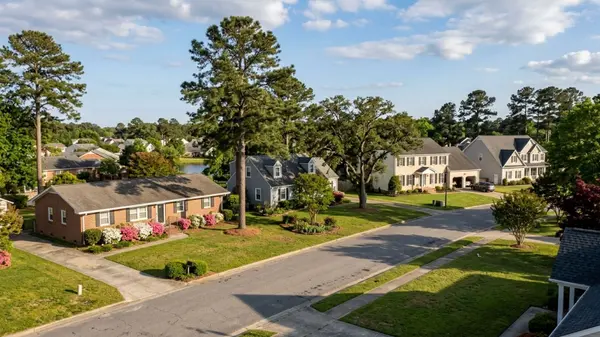
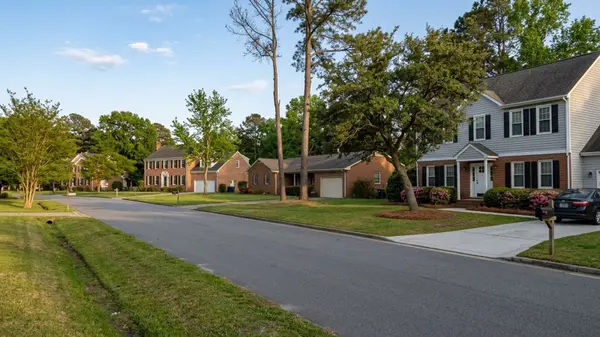
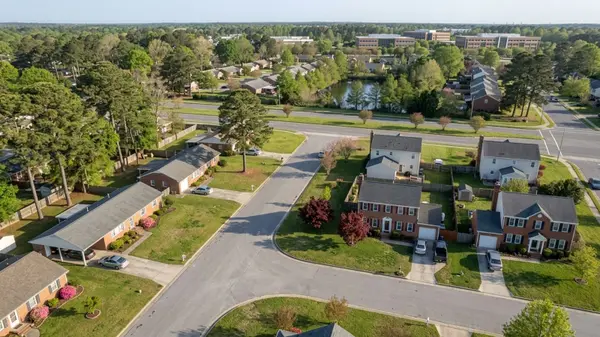
Virginia Beach real estate is predominantly suburban developments and coastal properties. Waterfront options line up along the Chesapeake Bay and the Atlantic Ocean, and the city's layout simply gives you more space between homes than Norfolk's dense historic blocks ever will. If a yard and some elbow room matter to you, Virginia Beach is the easier place to find them.
Commuting and Transportation
Hampton Roads geography is what it is - you're going to be crossing bridges and spending time on the interstate. Both cities put residents on Interstate 64 and Interstate 264 to reach the region's major employers, and military installation traffic shapes the morning commute in ways that don't show up on a standard map.
Norfolk commuters average about 20 minutes of travel time, and the city has The Tide light rail system as a genuine alternative for residents working near downtown. That's not nothing.
My honest advice: before you make an offer on anything, drive your actual commute at 7:30 on a Tuesday morning. Naval Station Norfolk and NAS Oceana both generate significant traffic, and your proximity to I-64 or I-264 will determine how that commute feels day to day.
Local Lifestyle and Amenities
What you do after work looks pretty different depending on which city you choose.
Norfolk's daily life orients around the Elizabeth River and urban green spaces. The Ghent neighborhood gives you The Hague waterfront and Mowbray Arch, a street that runs along the water and has a character you don't find in newer developments. Stockley Gardens - a public park built over a filled stream in the North Ghent Historic District - is the kind of amenity that makes a neighborhood livable rather than just walkable.
Virginia Beach is straightforward: you're there for the ocean and the bay. The Atlantic Ocean and Chesapeake Bay are the backdrop for daily life, and beachfront properties and coastal recreation areas are the draw. Buyers who list ocean access near the top of their priorities almost always end up searching here.
Frequently Asked Questions
Which is more expensive, Virginia Beach, VA or Norfolk?
Virginia Beach is the pricier market. The median sale price there runs roughly $430,965, compared to Norfolk's median sale price of around $327,333.
What are the property tax differences between Virginia Beach, VA and Norfolk?
Norfolk carries the higher tax rate. For the 2025 tax year, Norfolk's rate was $1.230 per $100 of assessed value, while Virginia Beach came in at $0.970 per $100.
What types of homes are available in Virginia Beach, VA compared to Norfolk?
Norfolk offers historic homes - Colonial Revivals, Tudor Revivals, and similar styles - concentrated in neighborhoods like Ghent, plus downtown condo options. Virginia Beach is primarily suburban developments and coastal properties along the Atlantic Ocean and Chesapeake Bay.
Is the daily commute worse living in Virginia Beach, VA or Norfolk?
It depends entirely on where you're going. Norfolk commuters average a 20-minute drive and have access to The Tide light rail. Residents of both cities rely on I-64 and I-264 to reach major employers like Naval Station Norfolk and NAS Oceana.
Do homes typically sell faster in the Virginia Beach, VA real estate market or in Norfolk?
Virginia Beach moves faster. Listings there spent a median of just 25 days on the market recently.
Categories
Recent Posts