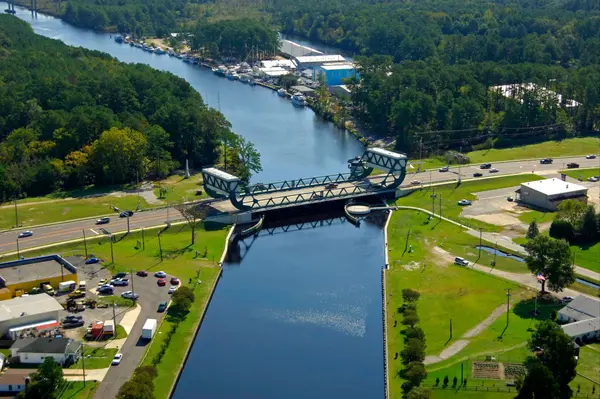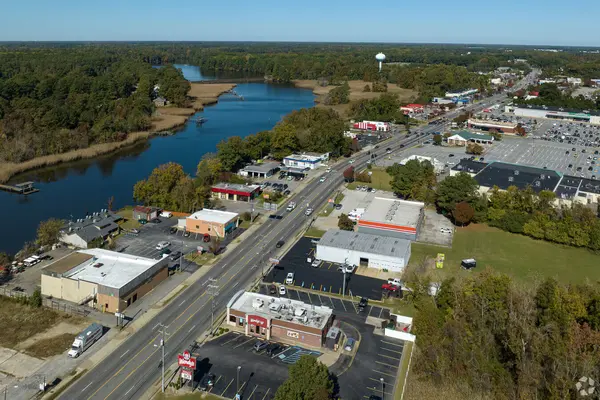
Where Coastal Living Meets Vibrant Community
Set between the Atlantic Ocean and the Chesapeake Bay, Virginia Beach blends miles of beautiful shoreline with an easygoing lifestyle and plenty to do. From the iconic Oceanfront and boardwalk to peaceful inland waterways, the city offers everything from locally loved dining spots to endless outdoor options: beach days, boating, trails, and parks. What really makes Virginia Beach special is its variety. Each neighborhood has its own feel, whether you want the energy of the Oceanfront, the charm of established communities, or the comfort and space of suburban living.
Beach
Ocean, bay, and waterways
Play
Parks, trails, boating
Live
Events, dining, culture
Grow
Family-friendly communities
What to Expect When Buying a Home in Virginia Beach, VA
Virginia Beach is the most populous city in the state - over 450,000 residents - and the market here reflects that scale. You've got military families rotating in and out of Hampton Roads, people chasing a coastal lifestyle, and first-time buyers all competing for the same limited inventory.
Buying here isn't complicated, but it does reward preparation. The distinct neighborhoods, the commuting realities, the coastal weather exposure - these things matter when you're choosing where to put down roots. Here's what you need to know about the pros and cons of living in Virginia Beach before you start looking.
What to Know Before Buying in Virginia Beach
Virginia Beach operates as an independent city, which means it sits outside any county structure. That shapes everything from how your property taxes are assessed to where you go when you need a permit pulled or a zoning question answered. If you're coming from a county-based system, it's a small but meaningful adjustment.
The Virginia Beach housing market is driven by two things working in tandem: steady demand from a large, stable population and a city that's largely built out, leaving very little room for new development. That combination keeps pressure on prices. The constant rotation of military personnel through the Hampton Roads metro area adds another layer - there's almost always someone moving in and someone moving out, which keeps transactions moving even in slower national markets.
Deciding When to Buy
Spring and early summer bring the most listings to market - coastal cities tend to follow that seasonal pattern pretty reliably. But because of the military presence here, homes change hands every month of the year. Someone getting PCS orders in October doesn't wait for April.
Watch your own interest rate window and relocation timeline more closely than you watch the season. Waiting for a winter slowdown doesn't guarantee you'll pay less, and in this market, fewer listings means fewer choices, not lower prices.
Common Buyer Profiles
You'll find first-time buyers, out-of-state relocators, and investors all working the same market. VA loans are common here - the concentration of service members in Hampton Roads makes that almost inevitable.
Investors tend to target properties near the oceanfront or close to the local universities. Buyers looking for a primary residence usually push further inland, where lots run larger and the daily commute doesn't compete with beach traffic.
The Current Housing Market at a Glance
As of mid-2026, the median sale price in Virginia Beach sits at approximately $425,000. Appreciation has been steady, and sellers have the upper hand.
The median days on market is 22 - about three weeks from listing to contract on a well-priced home. There are roughly 1,100 active listings in the city at any given time, which translates to just 1.9 months of housing supply.
Inventory and Competition
A balanced market has six months of supply. At 1.9 months, you're operating in a seller's environment, and you should plan accordingly. Competing offers are common on anything priced right.
More than 40% of homes in the city sell above asking price, and the average sale-to-list ratio sits just over 100%. Residents selling a home in Virginia Beach do not need to discount. Buyers need to show up financially ready from the start.
Entry-Level vs. Luxury Segments
Below that $425,000 median, homes move the fastest - first-time buyers and investors are both hunting that bracket, which keeps it competitive. If that's your range, get fully pre-approved before you start touring. You won't have time to get your paperwork together after you find the right house.
The waterfront and luxury end moves more slowly, but those properties hold value well. Buildable coastal land is genuinely scarce, and that scarcity doesn't go away.
Market Snapshot Local Insights →
(AUG 17, 2026 - SEP 16, 2026)
Market Snapshot Local Insights →


Property Types and Price Ranges
Single-family homes account for the largest share of the types of homes in Virginia Beach. Out of roughly 1,790 homes that changed hands in a recent single month, detached houses led the count. That said, there's a real market for condos, townhomes, and attached properties - different price points, different maintenance responsibilities.
Single-Family Homes and New Construction
Existing single-family inventory runs the range from mid-century ranches in established neighborhoods to large contemporary builds. The city is largely developed, so new construction tends to be infill projects or tear-downs rather than big subdivisions. Expect to pay a premium for new builds, and expect to find them further south, away from the immediate oceanfront.
Condos and Townhomes
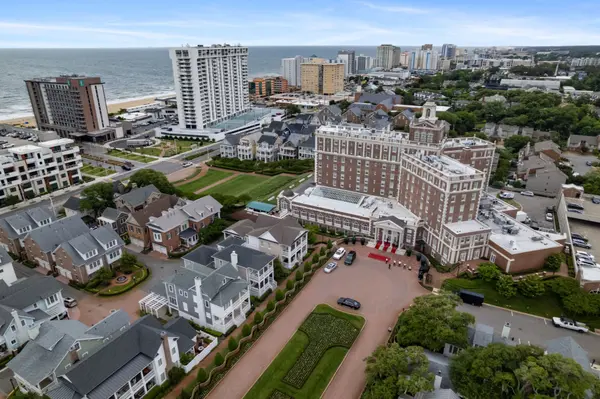
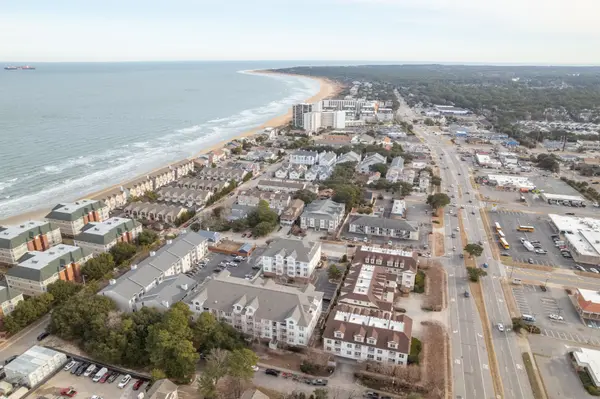
Condos and townhouses give buyers an accessible entry point into this market. They're concentrated near the Virginia Beach Boardwalk and major employment centers.
Before you fall in love with a condo, run the numbers on HOA dues. They cover exterior maintenance and shared amenities, but they reduce your purchasing power - and lenders factor them into your debt-to-income ratio.


Popular Neighborhoods to Consider
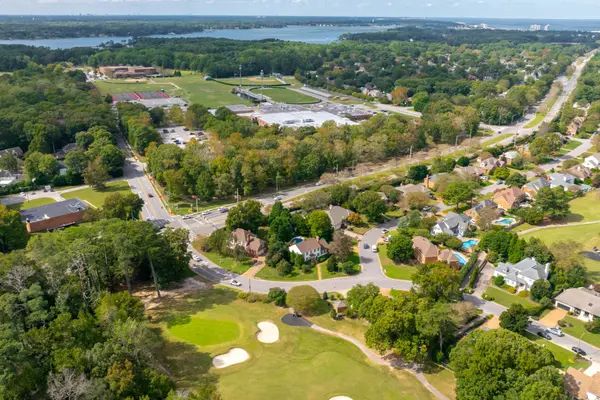
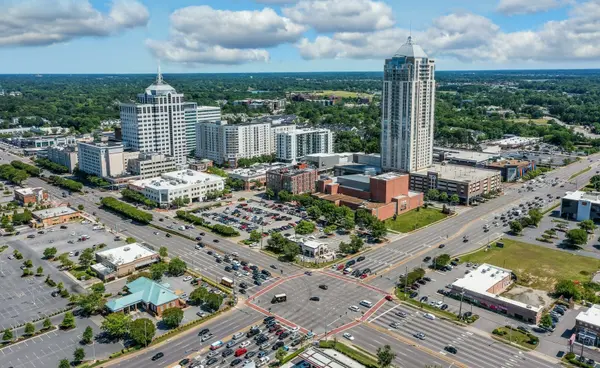
Virginia Beach covers hundreds of square miles. The daily life of someone living near the oceanfront looks nothing like the daily life of someone in an inland subdivision, and that's not an exaggeration. Your ZIP code determines your commute, your traffic patterns, your proximity to parks and shopping, and how much tourist activity you're dealing with in July.
There's no single "best" part of the city. The best neighborhoods in Virginia Beach depend entirely on what you need.
Inland Communities
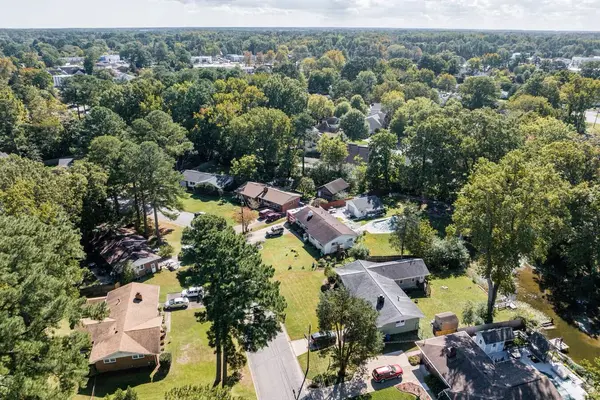
Great Neck and Kempsville draw buyers who want larger lots and mature tree cover. Both areas offer reasonable access to Interstate 264 and Route 58.
The practical upside to living inland: you're largely insulated from the summer tourist traffic that clogs the resort area. The housing stock is a mix of older brick ranches and larger two-story homes, and you generally get more square footage for your dollar.
Coastal and Luxury Pockets
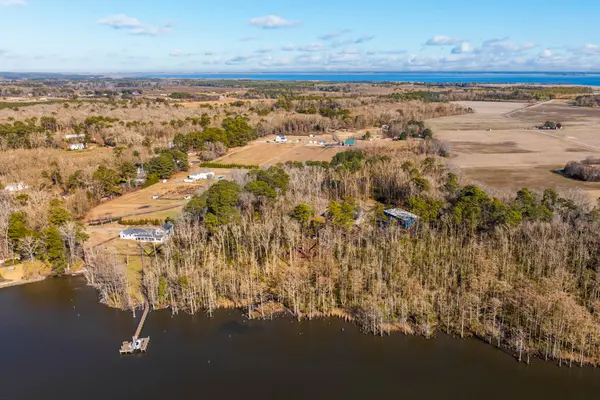
Sandbridge, Croatan Beach, and Chic's Beach put you on the water. Sandbridge in particular sits south of the main resort area and operates almost as its own enclave - quieter, more residential in character.
These neighborhoods carry the higher price tags in the city. Ocean and bay views command a premium, and the properties typically require specialized insurance policies. That's not a reason to avoid them; it's just a cost you need to account for upfront.
Location, Independent City Status, and Getting Around
Virginia Beach occupies the southeastern tip of the state, with the Atlantic Ocean on one side and the Chesapeake Bay on the other. Its independent city status means zoning, taxation, and public works are all handled locally - no county layer in the middle.
The city spans 20 ZIP codes, ranging from 23450 near the oceanfront to 23479. Understanding that geography is practical: it helps you map your daily driving routes before you commit to a neighborhood.
Commuting to Hampton Roads
Personal vehicles are the norm. Interstate 264 is the main corridor connecting the oceanfront to Norfolk and the rest of the metro area.
Rush hour congestion is real, and it gets worse during peak summer tourist season. Do yourself a favor: drive your likely commute route during actual rush hour before you make an offer. What looks manageable on a Saturday morning can look very different on a Tuesday at 5:15.
Airport Access
Norfolk International Airport (ORF) is your closest major option. It sits roughly 17 to 19 miles from the Virginia Beach oceanfront, and under normal traffic conditions the drive runs about 25 minutes. If you travel frequently for work, that proximity matters.
Cost of Living and Local Lifestyle
The average household income across Virginia Beach ZIP codes is approximately $94,400, which sits above both state and national averages. Various cost-of-living indices put the city anywhere from 1% to 20% more expensive than the national baseline, with housing costs doing most of the heavy lifting on that gap.
Living Expenses and Income Averages
Household income here breaks down unevenly depending on composition. Family households average around $111,500; non-family households average closer to $59,500. That's a significant spread, and it matters when you're thinking about what price range is actually comfortable for your situation.
Groceries, utilities, and transportation run slightly above national averages. Property taxes are set by the city council and fund local services and infrastructure.
Climate and Coastal Weather
The climate is humid subtropical - hot summers, mild winters, and outdoor amenities like First Landing State Park that are usable almost year-round. That's genuinely one of the draws of living here.
The flip side is coastal weather exposure. Tropical storms and occasional hurricanes are part of the reality. Exterior maintenance matters more here than it does in most inland markets - salt air and high winds are hard on roofing, siding, and HVAC equipment.
Finding a Local Real Estate Agent
Several major brokerages operate in this market, including The Real Estate Group, Howard Hanna, and Iron Valley Real Estate. You have options.
Finding the best real estate agent in Virginia Beach matters more than the brokerage name. You need someone who knows your target area well and has closed deals there recently. An independent coastal city with flood zones, HOA-heavy condo buildings, and a military buyer pool has enough moving parts that local experience genuinely pays off.
Choosing the Right Professional
Recent transaction experience in your specific target neighborhood is the thing to ask about. An agent who works mostly in Pungo may not be the right fit if you're buying a high-rise condo on the Boardwalk.
Talk to more than one agent. Ask how they've helped buyers win in competitive multiple-offer situations recently. The answer tells you more than their bio will.
Commissions and Fees
Commissions are negotiated between the seller and their listing broker, who then typically offers a portion to the buyer's agent. Recent industry changes require buyers to sign representation agreements upfront that spell out exactly how their agent gets paid.
Know this before you start touring homes: if a seller refuses to cover the buyer's agent fee, that cost may fall to you at closing. It's not a reason to skip representation - it's just a conversation to have with your agent early.
What My Clients Say
The Home-Buying Process Step by Step
Closing costs in Virginia average 1.3% to 3.4% of the purchase price, covering lender fees, title insurance, and state recordation taxes. That's real money - budget for it alongside your down payment.
Mortgage pre-approval isn't optional here. Sellers won't look at offers from buyers who haven't demonstrated financial readiness, and with a median of 22 days on market, you won't have time to get pre-approved after you find a house you want.
Pre-Approval and Making an Offer
Your pre-approval letter sets your ceiling and signals to sellers that you're serious. When you're ready to write an offer, your agent will pull recent comparable sales to help you land on a competitive number. In a market where homes routinely sell above asking, holding out for concessions can cost you the house.
Inspections and Closing
A professional home inspection is standard. In coastal Virginia Beach, inspectors pay particular attention to moisture in crawl spaces and roof condition - both are common pressure points in this climate.
After the inspection and appraisal clear, the file goes to a title company or real estate attorney for closing. You sign the loan documents, pay your closing costs, and get the keys.
Frequently Asked Questions
Do I always need to buy flood insurance when purchasing a home in Virginia Beach?
No - flood insurance isn't required for every property. But if the home sits in a designated high-risk flood zone and you're using a mortgage, your lender will require a policy. Check the flood zone designation early in your search, not after you're under contract.
How much are average closing costs and property taxes for homebuyers in Virginia Beach, VA?
What is the process for buying a Virginia Beach home remotely if I am PCSing to the area?
How long does it typically take to close on a house in the current Virginia Beach market?
What are the most common coastal-specific issues found during home inspections in Virginia Beach?
Should I buy a condo near the Oceanfront or look for a single-family home in inland Virginia Beach neighborhoods?
Other Cities