The History of Virginia Beach, VA: From 1607 Settlement to Modern City
Virginia Beach, VA has a timeline that stretches from the earliest days of English exploration to its current status as a major coastal hub. That long arc - from remote landing site to densely populated municipality - shapes the neighborhoods and infrastructure you'll be living with if you buy here, creating specific pros and cons of living in Virginia Beach.
And buyers are moving quickly. The median sale price is around $430,000, homes are spending roughly 25 days on the market before going under contract, and there have been about 1,180 listings recently available. The city's varied geography gives you real options, but you'll want to know what you're buying into before you start touring.
A Look at Virginia Beach Through the Years
The modern story starts in 1607, when English colonists first landed at Cape Henry. From that coastal foothold, the area gradually became a working community of agricultural and maritime settlements - nothing like a resort town yet.
That came much later. The resort town was founded in 1887 and incorporated as a town in 1906, growing steadily along the Atlantic coast as tourism and residential development picked up. That slow, deliberate expansion is why the city looks the way it does today - it wasn't planned all at once.
Is Virginia Beach a City, Town, or Neighborhood?
Virginia Beach is an independent city. It got that designation in 1952, which separated it politically from the surrounding areas and gave local leaders direct control over municipal planning and growth.
Then in 1963, the city merged completely with Princess Anne County, forming the independent city boundaries that exist today. That consolidation created the large footprint you see on the map - and it's the reason the city feels more like a region than a single neighborhood.
Where Virginia Beach Is Located and Its County Status
A lot of buyers relocating here assume Virginia Beach sits inside a larger county and want to know how that affects property taxes. It doesn't work that way. Virginia Beach is an independent city, which means it's not part of any county at all. Schools, police, public works - all of it runs directly through the city government.
That goes back to the 1963 merger with Princess Anne County, which dissolved the county entirely. There's no county layer here. Homeowners pay taxes directly to the city, full stop.
The Hampton Roads Metro Area
Virginia Beach sits in the southeastern corner of the state, right next to Norfolk and Chesapeake. Those three municipalities together form the Virginia Beach-Chesapeake-Norfolk Metropolitan Statistical Area, and the shared borders mean commuting between them is just part of daily life for a lot of residents.
Most locals call the whole region Hampton Roads. Based on recent estimates, the population is about 1.8 million people - the 37th-largest metro area in the United States.
The Origins of the Virginia Beach Name and Early Settlement
The name is exactly what it sounds like: the sandy coastline of the state of Virginia. The state itself was named after Queen Elizabeth I, the "Virgin Queen" of England. No mystery there.
What's worth understanding is how early the history runs. In 1607, colonists led by Captain Christopher Newport landed at Cape Henry - long before Virginia Beach was a resort town or even a proper settlement. That landing was the beginning of documented English presence in the region.
Early Arrivals at Cape Henry
The Cape Henry landing came before Jamestown, which became the first permanent English settlement. The colonists spent time exploring the coastal area first, and that initial stop is still a major historical marker for the region today.
Adam Thoroughgood was among the first Englishmen to permanently settle in the area that would eventually become Virginia Beach. His presence helped establish the agricultural and coastal development that carried the region through its early generations.
The Timeline from Resort Town to Independent City
The shift from rural coastline to major residential hub didn't happen overnight. After the resort town was founded in 1887, new transportation routes made the oceanfront reachable for vacationers coming from inland Virginia, and that steady flow of visitors drove early commercial and residential construction.
The 20th century brought rapid suburban growth. The 1952 designation as an independent city was the turning point - it gave local leaders the autonomy to expand infrastructure and bring in new residents on their own terms, without deferring to county government.
Merging with Princess Anne County
The 1963 merger with Princess Anne County is the event that defined the city's modern layout. It absorbed enormous tracts of inland property, agricultural land, and suburban neighborhoods into the city limits in one move, and it permanently changed the municipal map.
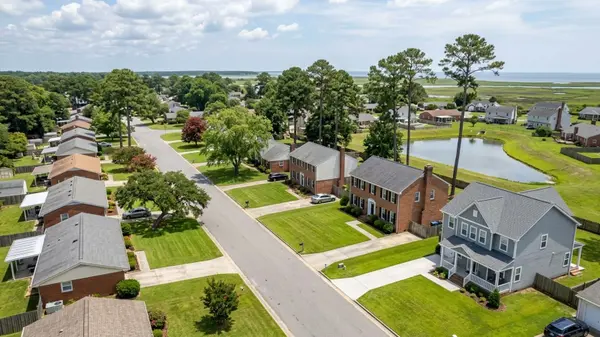
For buyers, that history is directly relevant. You can choose a high-rise oceanfront condo or a large inland property - both are inside the same city limits. Where people land usually comes down to whether they want to be close to the water or close to inland highway access.
Historic Districts and Landmarks
Much of the oceanfront has newer construction, but inland areas and coastal points hold structures dating back centuries. The city has made preservation a priority, and those surviving sites give residents a real, physical connection to the region's early days - not just a plaque on a wall.
The Cape Henry Lighthouse
The Cape Henry Lighthouse is the official symbol of Virginia Beach and a National Historic Landmark. Completed in 1792, it was built under a bid authorized by President George Washington, and it holds a specific distinction: it was the first lighthouse authorized, fully completed, and lighted by the newly organized federal government. It's still one of the most recognizable structures on the coast.
The Historic Oceana Neighborhood
Inland, the Oceana Neighborhood anchors the city's residential history. Dating back to 1906, it runs along North Oceana Boulevard and Virginia Beach Boulevard and represents some of the earliest planned residential development away from the immediate oceanfront. It was also the first neighborhood in the city placed on the National Register of Historic Places - a designation that matters if you're drawn to older architecture and protected streetscapes.
Frequently Asked Questions
What county is Virginia Beach, VA in?
Virginia Beach is an independent city and is not part of any county. It became politically independent in 1952 and merged completely with Princess Anne County in 1963, dissolving the county entirely.
How did Virginia Beach get its name?
The name describes the sandy coastline of Virginia. The state itself was named after England's Queen Elizabeth I.
When was Virginia Beach, VA founded?
The resort town of Virginia Beach was founded in 1887 and incorporated as a town in 1906. Its modern history, though, traces back to 1607, when English colonists first landed at Cape Henry.
What is Virginia Beach, VA known for?
The city is known for its extensive coastline, its status as an independent city within the Hampton Roads metro area, and historic sites like the 1792 Cape Henry Lighthouse.
What are the historic districts and landmarks in Virginia Beach, VA?
The Cape Henry Lighthouse is a National Historic Landmark and the official symbol of the city. The Oceana Neighborhood, dating back to 1906, is the city's first neighborhood placed on the National Register of Historic Places.
Categories
Recent Posts