What to Expect From the Cost of Living in Virginia Beach, VA in 2026
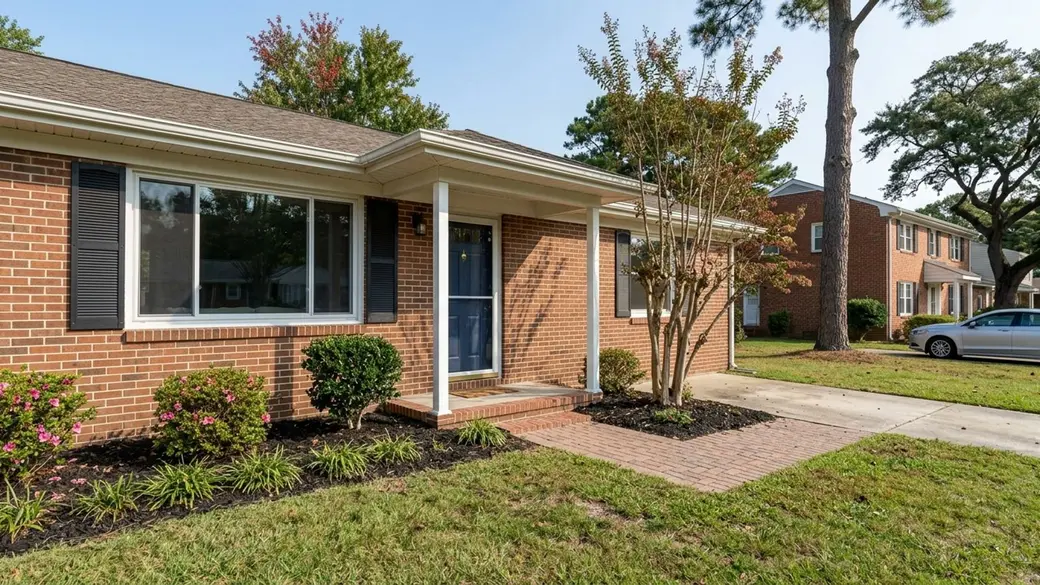
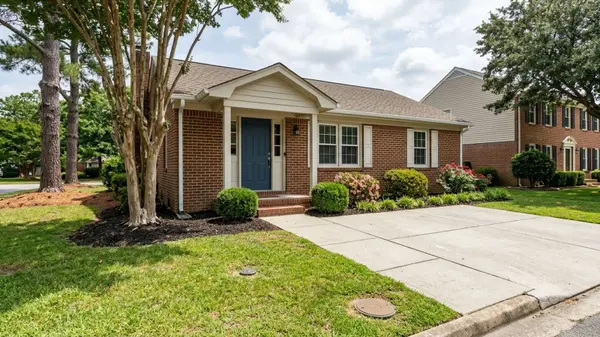
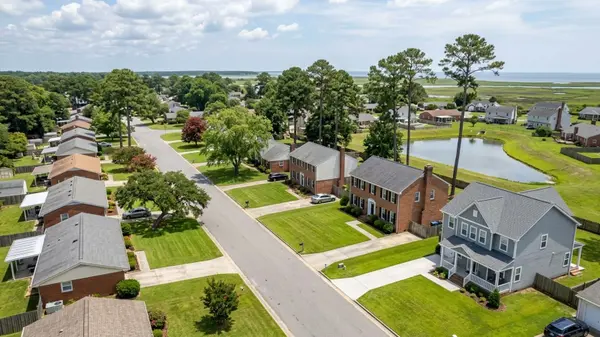
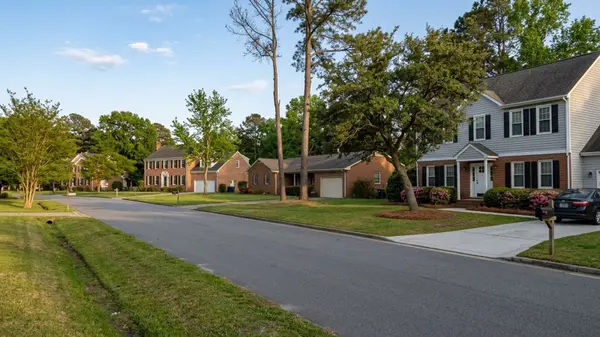
If you're eyeing a move to the coast and weighing the pros and cons of living in Virginia Beach, VA, the first real question isn't about the beach - it's about the budget. The cost of living here draws a lot of interest, and for good reason. You've got miles of shoreline, major employment centers, and a housing market that moves quickly. But before you pack a single box, you need numbers, not brochures.
Whether you're relocating for a military assignment or just want to wake up close to the Atlantic, the math here is specific. Prices reflect the reality of a major coastal hub with constant demand. So let's walk through what homes cost, what your monthly bills will look like, and what salary you need to make it all work in 2026.
A Quick Look at Virginia Beach Living Costs
The Virginia Beach cost of living index sits between 100.2 and 101.0 - just a fraction above the national average of 100. The broader Virginia state average runs roughly in line with the rest of the country, so the city represents the slightly more expensive end of that range.
When you add up housing, food, and transit, the area tracks closely with standard U.S. pricing. You're not absorbing the extreme premiums you'd find in Seattle or Boston.
How the Index Compares to State and National Averages
A score of 100.2 to 101.0 means a dollar here stretches about as far as it does in an average American city. That's a useful baseline when you're building a budget from scratch.
State-level data shows Virginia as a whole mirrors the national median. Virginia Beach lands on the higher side of that because of its coastal real estate and steady population growth - neither of which is going anywhere.
The Short Answer on Affordability
For most buyers, Virginia Beach is moderately priced rather than outright expensive. Dual-income households and those with military housing allowances tend to find the costs manageable.
Where you land on the affordability spectrum comes down to two things: which neighborhood you choose and whether you buy or rent. Inland neighborhoods offer meaningfully different price points than properties sitting right on the water.
Home Prices and Rent in Virginia Beach
Housing takes up the largest slice of any budget, so let's start there. The median sale price for a home in Virginia Beach is currently around $430,965, and homes are moving - averaging about 25 days on the market. With roughly 1,180 homes available in the city's inventory, buyers have options, but they should expect to pay close to asking price.
Current Home Prices and Market Pace
A median around $431,000 means you'll find a range of property types, from inland townhouses to larger single-family homes. Sellers are in a solid position right now - the average sale-to-list ratio sits just under 100%, and the market is holding about 1.9 months of supply. Properties priced accurately tend to go under contract in under a month. That's not a buyer's market.
Renting an Apartment or House
If you're planning to lease before buying, average rent in Virginia Beach runs between $1,665 and $1,820 per month. That range moves based on apartment size and proximity to the water. Units near major employment centers tend to land at the higher end, and well-priced rentals don't sit for long.
Everyday Expenses: Utilities, Groceries, and Healthcare
The mortgage or rent is one number. Your monthly bills are another conversation entirely, and they matter just as much to your actual purchasing power.
Average monthly utility costs in Virginia Beach range from $180 to $254. That covers electricity, water, sewer, and trash collection. It's not an outrageous number, but it's worth having it baked into your budget before you close on anything.
Monthly Utility Bills and Groceries
Grocery costs here align with regional norms. For a single person, budget roughly $200 to $400 per month. For families, regional estimates put that closer to $350 to $500 per person each month. Whether you're shopping at local markets or large national chains will push you toward one end of that range or the other.
Healthcare and Childcare Costs
Healthcare in the area runs slightly below the national average. A 30-year-old can expect to pay around $284 per month for an average Bronze plan premium.
If you have young children, childcare is a significant line item - budget between $1,050 and $1,700 per month for infant or toddler care. Get that number into your overhead calculations before you finalize what you can afford on a home.
Taxes in Virginia Beach
Virginia Beach operates as an independent city, which means its tax structure differs slightly from places located within a county. The real estate property tax rate for fiscal year 2026 is $0.97 per $100 of assessed value. On a house assessed at $400,000, that's a $3,880 annual tax bill - or roughly an extra $323 per month when you're running mortgage scenarios.
Local Sales Tax
The combined sales tax rate is 6%, broken down as a 4.3% Virginia state tax and a 1.7% local tax. You'll pay it on retail purchases, dining out, and everyday goods. It's a standard rate for the region and doesn't dramatically change day-to-day spending.
State Income Taxes
Virginia collects individual income tax across four brackets. For 2026, rates run from a base of 2% up to a top rate of 5.75%. The state doesn't layer on additional local income taxes beyond those brackets, so what you see is what you get. Running your net pay through those rates gives you a cleaner read on your actual monthly housing budget.
Salaries and Income Needed to Live Comfortably
The earning picture in Virginia Beach lines up reasonably well with local costs. The median household income sits between $90,700 and $93,000, and that income level allows many households to comfortably afford the median home price.
Median Household Income
A median household income of roughly $92,000 gives buyers a solid foundation for homeownership. Buyers earning near that median often target homes in the $300,000 to $400,000 range. Dual-income households frequently exceed that figure, which opens up more options in coastal neighborhoods. Single buyers can still make the market work by focusing on townhomes or condos.
What Constitutes a Livable Wage
For a single adult with no children, the livable wage comes in at approximately $25.55 per hour - translating to an annual salary between $52,431 and $54,392. That covers the basics: average rent, utilities, groceries. Saving for a down payment, though, typically requires income closer to the city's median household level. There's a meaningful gap between getting by and getting ahead here.
What Drives Prices in the Area
Prices in this part of Virginia don't swing wildly, and that stability isn't an accident. The military is the primary economic engine for the entire region, and it's a reliable one.
Major installations like Naval Station Norfolk and NAS Oceana bring thousands of personnel to the area every year. That consistent influx shapes both the rental and purchase markets in ways that most civilian markets don't experience.
The Impact of the Military Presence
Frequent military relocations create steady, year-round housing demand. Service members using their Basic Allowance for Housing (BAH) keep the rental market active and vacancy rates low. Sellers benefit from a reliable pool of buyers who need housing regardless of broader national economic trends - which is part of why you don't see the severe dips in local property values that hit other markets.
Coastal Demand and Inventory
Beyond the military, the Atlantic Ocean itself is a pricing factor. Inventory stays relatively tight, with about 1,180 homes currently available across the city. Buyers competing for homes near the water frequently encounter multiple-offer situations, and limited land for new coastal development keeps existing home prices from softening much.
Comparing Virginia Beach to the Rest of Hampton Roads
Hampton Roads is a collection of interconnected cities, and a lot of buyers comparison-shop across them before committing. Virginia Beach generally runs as the most expensive of the primary three. The premium reflects immediate access to coastal living and beaches - and it's real. Moving your search just a few miles inland can make a noticeable difference in your monthly payment.
Norfolk and Chesapeake Comparisons
Chesapeake offers a more suburban lifestyle with slightly lower overall costs, though its home prices have been climbing steadily. Norfolk provides the most affordable middle ground for housing in the region. Buyers who are willing to commute a bit further often weigh what they save in Norfolk against the waterfront amenities of Virginia Beach. The pace of life and the housing stock feel genuinely different in each city - it's not just a price decision.
Estimating Your Monthly Budget
A single buyer purchasing a median-priced home in Virginia Beach should budget for a mortgage, property taxes, and roughly $180 to $254 in monthly utilities. Add $400 for groceries and a $284 healthcare premium and your basic monthly overhead starts to take shape.
Running those same numbers against a Chesapeake or Norfolk home price shows you quickly where the differences land. The slight premium for Virginia Beach buys direct ocean access and top-tier municipal services - whether that trade-off makes sense depends entirely on your priorities.
Pros and Cons of Living in the Area
A spreadsheet of expenses only tells part of the story. Virginia Beach offers a lifestyle that's genuinely tied to its geography and local economy - access to beaches, state parks, and steady employment draws thousands of new residents annually.
The flip side is that the higher cost of living compared to inland Virginia requires real financial planning. It's not a place you want to move to on a shoestring.
Crime Rates and Safety Data
Virginia Beach is considered very safe for a city of its size. In 2024, the violent crime rate was 92.3 per 100,000 residents - well below the national average of 359.1. And the trend is moving in the right direction: in 2025, violent crime dropped another 6.7% and property crime fell 11.4%.
Who the Area Suits Best
The city works well for military personnel, defense contractors, and buyers who place a high value on coastal access. The steady job market and low crime rates appeal to a wide range of people. That said, buyers looking for the lowest possible housing costs in Virginia generally need to look further west or south. For those who want ocean access and a stable housing market, the local prices reflect what you get.
Frequently Asked Questions
Is it expensive to live in Virginia Beach, VA?
Yes, slightly more expensive than the national average. The cost of living index sits around 100.2 to 101.0. Everyday goods are priced normally - it's housing costs that push the overall number up.
What salary do you need to live comfortably in Virginia Beach, VA?
A single adult needs at least $52,431 to $54,392 annually to cover basic living expenses. Earning closer to the city's median household income of $90,700 to $93,000 puts you in a much more comfortable position.
Why is Virginia Beach so expensive?
The primary driver is strong, consistent demand from military installations like Naval Station Norfolk and NAS Oceana. That steady flow of buyers and renters keeps inventory low. Coastal real estate also commands a natural premium that doesn't disappear.
Is Virginia Beach, VA a good place to live?
It offers a steady job market and excellent safety metrics. The violent crime rate was 92.3 per 100,000 residents in 2024 - well below the national average - and residents have immediate access to the Atlantic Ocean.
How does the cost of living in Virginia Beach compare to the rest of Hampton Roads?
Virginia Beach is generally the most expensive city in the Hampton Roads area. Chesapeake offers slightly lower costs with a suburban feel, and Norfolk provides the most affordable housing options of the three.
What hidden expenses, like flood insurance or local taxes, should I expect when buying a home in Virginia Beach?
Plan for the city's real estate property tax rate of $0.97 per $100 of assessed value and a 6% combined sales tax on local purchases. Because of the coastal geography, many buyers also need to factor in flood insurance - that one catches people off guard more often than the taxes do.
Categories
Recent Posts