Moving to Virginia Beach, VA: What Buyers Should Know
Virginia Beach is the most populous city in Virginia, with a recent population estimate of around 453,737 residents. It anchors the massive Hampton Roads metropolitan area, drawing military personnel, government contractors, and coastal home buyers from across the country weighing the pros and cons of living in Virginia Beach.
Relocating here means understanding a housing market that moves quickly. Recent data shows available homes typically spend just 25 days on the market before going under contract. If you're looking at this coastal city, prepare for competitive conditions and a municipal structure unlike most places you've probably lived before.
Where Virginia Beach is Located
Virginia Beach sits in the Hampton Roads region of southeastern Virginia and is a major part of the Virginia Beach-Chesapeake-Norfolk Metropolitan Statistical Area. That broader metro ranks 37th-largest in the United States, supporting a population of nearly 1.8 million people. Commuters rely on the regional highway network to move between the city's coastal neighborhoods and the inland employment centers - and those drives are longer than most newcomers expect.
County Status and Metro Area
Here's the thing that surprises almost every new resident: Virginia Beach is an independent city, meaning it's not part of any county. It runs its own local government and handles its own municipal services, full stop.
There's no county overlay here. When you're filling out forms that ask for a county, you'll typically write "Virginia Beach City" or leave the field blank.
Mapping the Local ZIP Codes
The city covers a massive geographic footprint - 20 distinct ZIP codes in total. Twelve are standard residential codes running from 23450 to 23467, plus 23471 and 23479. Beyond those, there are five PO Box codes and three codes designated for specific local institutions.
Knowing which ZIP code you're targeting matters more than you'd think, because commute times across Hampton Roads can swing dramatically depending on where you land.
Deciding if Virginia Beach is Right for You
The local economy runs on the military, tourism, and maritime industries. A lot of buyers come here for jobs at the nearby naval installations or with major defense contractors - that's just the reality of this market.
The climate gives you four distinct seasons, with winters that are generally milder than what you'd get further north. Summers bring heavy tourist traffic to the coast, which affects daily driving patterns in ways that don't show up on any map app.
Who Tends to Move Here
Military service members receiving transfer orders to Hampton Roads are a constant presence in the relocation market. Civilian government employees and defense contractors make up another large share. Outside the defense sector, you'll find buyers who want coastal access without the price tags attached to other major coastal metros - that's a real draw here. The Virginia Beach City Public Schools district serves the entire municipality, so households focused on educational access are in one system citywide.
Pros and Cons of the Area
Miles of beaches, state parks, and waterways are a genuine advantage if you're an outdoor person. The independent city structure also keeps local government consolidated under one entity, which streamlines services in ways residents sometimes take for granted.
The flip side: this city leans on a few major highways, and traffic bottlenecks are real - especially once summer tourist season kicks in. Certain coastal and low-lying inland areas also require serious attention to flood zones and insurance costs. That's not a footnote; it's a line item in your budget.
Local Lifestyle and Daily Pace
Water activities shape the weekends here. Boating, fishing, and beachgoing are what residents do, not just what the tourism brochures suggest.
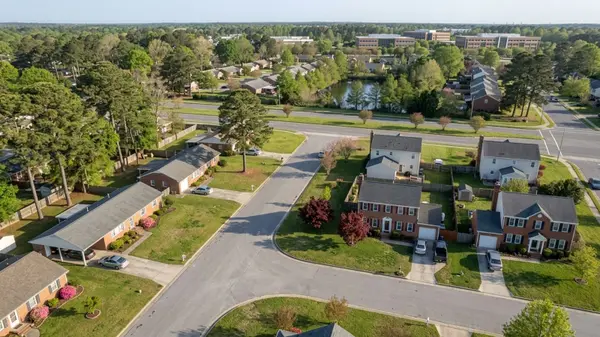
Step back from the oceanfront and it feels like a large suburb - expansive retail corridors, residential subdivisions, the works. The military presence creates a culture that's both transient and surprisingly tight-knit. A lot of people here know what it's like to start over in a new city, which makes the community more welcoming than you might expect.
Cost of Living and Housing Expenses
Housing costs sit above the national average but below many major East Coast markets. The median sale price currently hovers around $431,000, reflecting an approximate 7.7% year-over-year increase. With just 1.9 months of housing supply available, this market strongly favors sellers - and roughly 36% of recent sales closed above the original asking price. You should expect competition.
Home Prices and Property Taxes
The median price per square foot generally sits near $247, though proximity to the water moves that number up. A coastal home commands a real premium over a comparable inland property.
Property taxes are assessed directly by the independent city. For the 2025/FY2026 tax year, the real estate tax rate is set at $0.970 per $100 of assessed value, which works out to an effective rate of roughly 0.80% to 0.97%.
Renting and Everyday Costs
The rental market tightens considerably around major military transfer cycles in the spring and summer. Apartment complexes and single-family rental homes are spread throughout the city's 12 standard residential ZIP codes, so availability varies by area.
Everyday expenses - groceries, utilities - align closely with broader Hampton Roads metro averages. Given how large this city is geographically, don't underestimate what transportation costs and gas consumption will add to your monthly picture.
Choosing a Place to Live
Balancing your budget against your daily commute is genuinely the central challenge in this market. The city is big enough that a drive from the southern rural areas to the northern coastal neighborhoods can run close to an hour. That's not an edge case - it's a real scenario depending on where you work and where you buy.
Map your routes to major employment centers or naval bases before you fall in love with a particular neighborhood. How quickly you can reach neighboring cities like Norfolk or Chesapeake depends almost entirely on where you land relative to the regional highway system.
Evaluating Different Areas
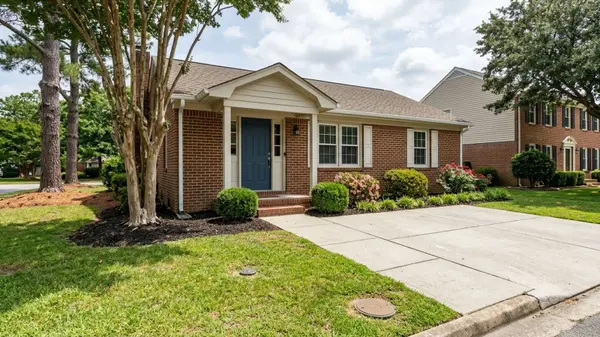
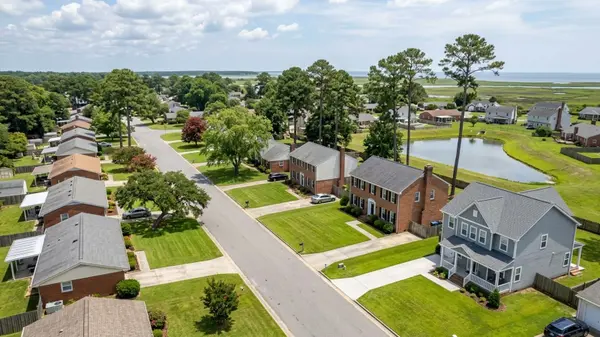
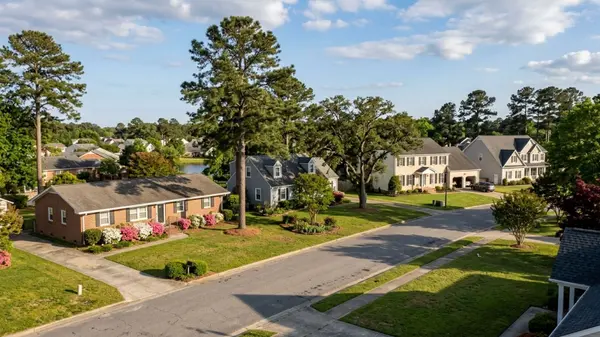
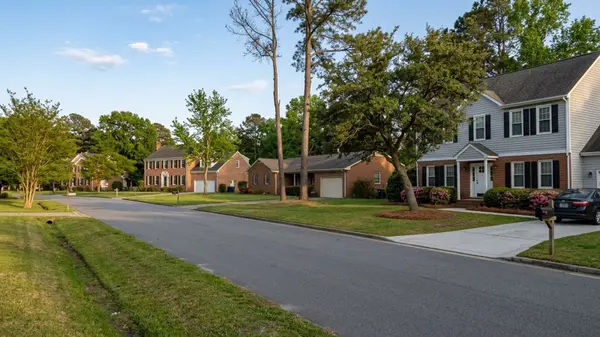
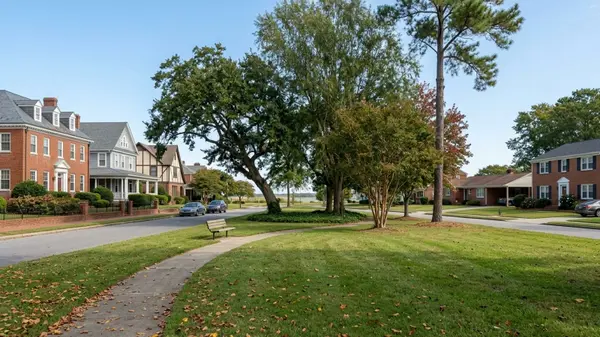
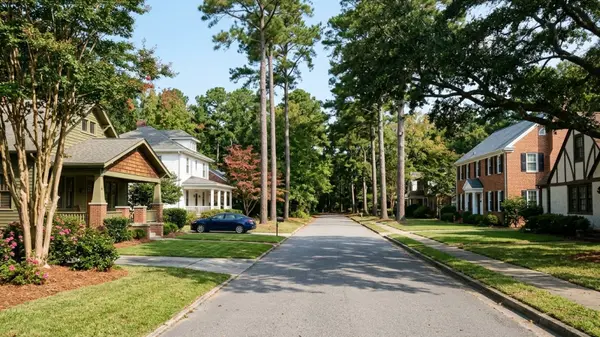
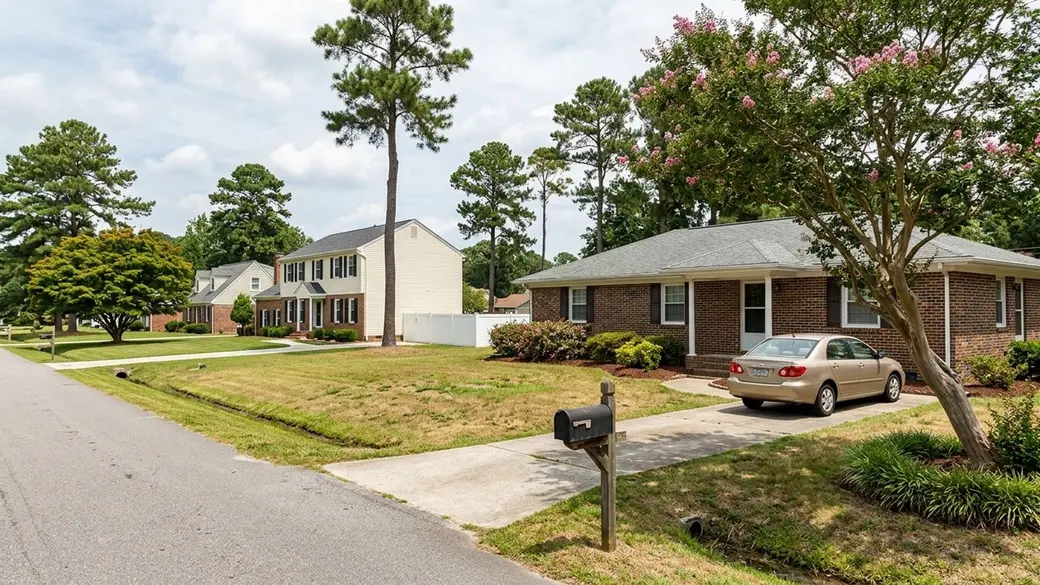
Inland communities tend to offer traditional suburban subdivisions with more square footage for the price, and generally easier highway access for daily commuters. Coastal properties give you immediate water access, but the price premium is real and so are the flood insurance considerations. Check the specific flood zone designation on any home you're seriously considering - don't wait until the inspection period to look that up.
Living in Downtown Virginia Beach
The downtown district is the commercial and retail core of the city - mid-rise condominiums, luxury apartments, and surrounding single-family homes all coexist here. Choosing a home downtown gives you walkable access to offices, entertainment, and transit stops.
It's a genuinely different feel from the suburban and rural parts of the municipality. Whether that's a selling point depends entirely on how you want to live day-to-day.
Dining, Shopping, and Things to Do
The amenity base here serves both a large permanent population and millions of annual tourists, which supports a wider variety of restaurants and retail than a city of 453,000 might otherwise sustain on its own. The oceanfront gets the attention, but most year-round residents spend the bulk of their time at inland commercial centers and in the downtown district.
Downtown Restaurants and Nightlife
Downtown has a real concentration of dining options - casual lunch spots, upscale steakhouses, establishments that pivot from business crowd during the day to a lively dinner atmosphere at night. Craft breweries, wine bars, and live music venues round out the nightlife. It's a year-round alternative to the tourist-heavy oceanfront scene, which matters when you're living here and not just visiting.
Local Shopping and Events
Retail runs the gamut from large indoor malls to open-air lifestyle centers scattered across the city's ZIP codes. Grocery stores, specialty markets, and big-box retailers are accessible from most residential subdivisions without much of a haul.
The city runs festivals, marathons, and cultural events throughout the year. Large-scale summer concerts tend to cluster at the oceanfront, while the downtown area programs community gatherings and seasonal markets more consistently across the calendar.
Visiting Before You Move
A scouting trip is worth the cost of the flight. Spending a few days driving between ZIP codes will tell you more about commute times and traffic patterns than any online research will. The scale of Hampton Roads surprises a lot of people who've only looked at it on a map.
Lodging options are plentiful since this is a major tourist destination, but rates and availability swing considerably by season and local event schedule - book early if you're visiting in summer.
Finding a Hotel Downtown
A downtown hotel puts you in the geographic center of the city, which makes it easy to drive out to coastal neighborhoods in the morning and explore inland suburbs in the afternoon. These hotels generally cater to business travelers, so you'll get standard corporate amenities.
Staying here also lets you test the walkability and dining options of the urban core - useful information if you're weighing a downtown purchase.
Staying Near the Main Attractions
If you want to wake up near the water, the oceanfront has plenty of resort-style hotels and vacation rentals. It gives you a direct look at the tourist-driven side of the city's economy - which is valuable context if you're considering buying near the resort area. Visiting during summer will show you exactly what peak crowd levels look like. Better to know that before you buy than after.
Frequently Asked Questions
Is Virginia Beach, VA a good place to live?
Yes - it offers a strong local economy, extensive coastal recreation, and solid municipal infrastructure. The area is especially popular with military personnel, government contractors, and buyers looking for coastal access.
Where is Virginia Beach, VA located?
It's in the Hampton Roads region of southeastern Virginia, along the coast, and is part of the Virginia Beach-Chesapeake-Norfolk Metropolitan Statistical Area.
What county is Virginia Beach, VA in?
Virginia Beach is an independent city and isn't part of any county. It operates its own municipal government and handles all local civic functions directly.
Is Virginia Beach, VA safe?
Conditions vary by location, as they do in any city with over 450,000 residents. Review local police department data and map specific addresses to evaluate the areas you're considering.
How much does it cost to live in Virginia Beach, VA?
The median home price runs roughly $431,000, and the real estate tax rate is $0.970 per $100 of assessed value. Everyday expenses generally align with Hampton Roads metro averages.
What are the best neighborhoods in Virginia Beach for year-round residents?
It depends on your commute and how you want to live. Many year-round residents lean toward inland subdivisions for suburban space, or the downtown district for walkable access to offices and dining.
Do I need flood insurance when buying a house in Virginia Beach, VA?
It depends on the specific property. Because this is a coastal city in the Hampton Roads region, check the flood zone designation on any home you're considering to determine whether a policy is required.
Categories
Recent Posts