How to Get Your Home Ready to Sell Fast

If you’re trying to sell home fast in Virginia Beach, the goal is not perfection. It’s clarity. The homes that sell house quickly usually do three things well: they look cared for at first glance, they don’t leave buyers guessing about maintenance, and the listing price matches what the market is actually paying right now.
This is a practical, no-drama checklist for how to sell your home fast and prepare home for sale, with actionable steps for staging, repairs, and pricing. Use it as your pre-listing preparation plan, not a weekend of panic.
One-liner: Clean sells. Confusing sits.
First Impressions Matter: Boost Your Curb Appeal
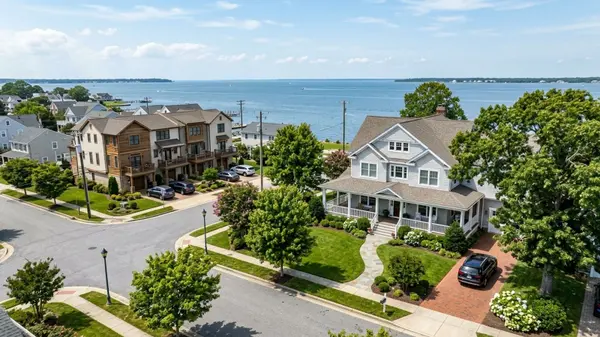
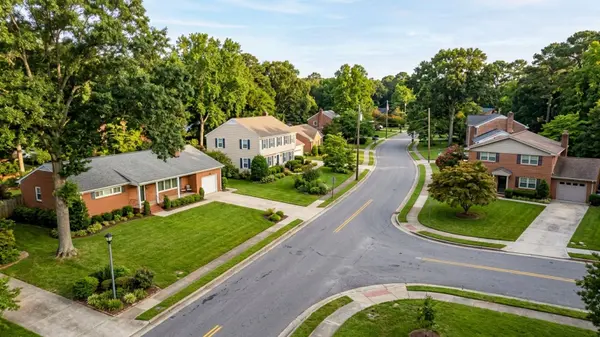
Curb appeal is not about fancy. It’s about sending a simple message from the curb: “This place has been maintained.”
In Virginia Beach, that first look might happen from the driveway during a drizzle, or after a slow roll down I 264. Buyers still form opinions in about ten seconds, so you want the outside to read clean and handled.
Landscaping and Lawn Care
Start here. These are the most consistent curb appeal improvements for a fast home sale.
- Mow and edge. Crisp lines beat “perfect grass” every time.
- Trim back anything touching the house. Shrubs against siding look like moisture waiting to happen.
- Mulch, evenly. Fresh mulch makes beds look intentional. Keep it pulled back from the foundation.
- Weed the cracks. Driveway edges, pavers, sidewalk seams. Buyers notice.
- Sweep and rinse hard surfaces. Porches, steps, walkways. If you pressure wash, do it evenly so you don’t leave stripes.
Local reality: salt air and humidity can make exteriors look tired faster, especially closer to the water. A basic rinse on railings and light fixtures can make the whole front feel sharper.
Exterior Repairs and Fresh Paint
Handle the obvious stuff first. Obvious problems create questions, and questions slow decisions.
- Peeling paint and exposed wood. Trim, fascia, porch rails, columns.
- Loose handrails or wobbly steps. People touch these during showings.
- Sticking doors or stubborn latches. If the front door fights back, buyers remember.
- Cracked trim or torn screens. Small, but loud.
- Gutters and downspouts that look neglected. Even if they function, they need to look like they do.
If you repaint, keep it simple and consistent. This is not the moment for a bold exterior color experiment.
Entry Way Enhancements
Your entry is the handshake. It should feel clean, bright, and easy.
- Upgrade lighting if it is dim. Evening showings happen.
- Replace worn hardware. Mismatched or tarnished pieces read as “to-do list.”
- Add a clean, neutral doormat. Not a joke mat. Not a statement mat.
- Make house numbers easy to read. Helpful for buyers, agents, appraisers, everyone.
One-liner: If it smells musty at the door, nobody cares about the backsplash.
Declutter and Depersonalize Your Space
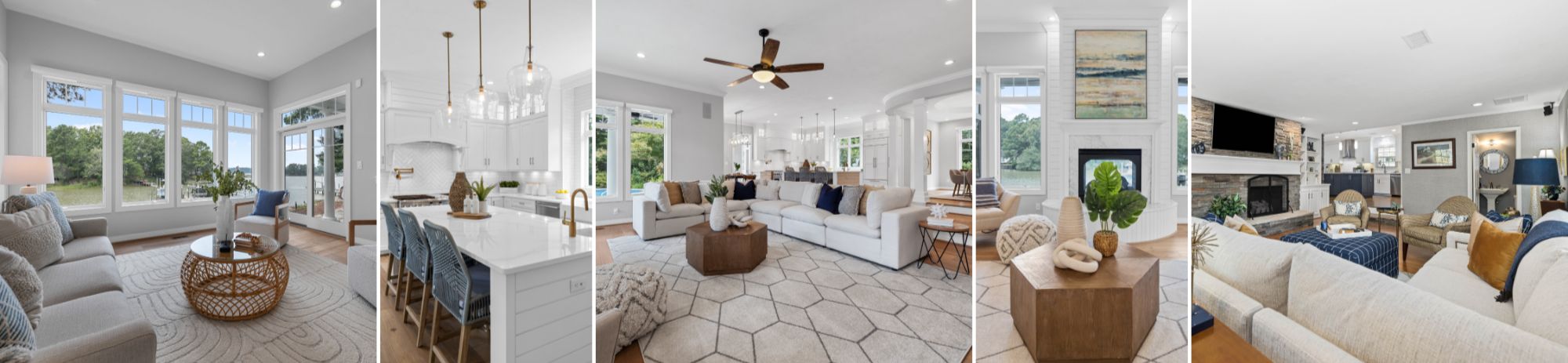
Decluttering is not “make it empty.” It’s “make it readable.”
When the home feels open, buyers can actually see the layout, the storage, and the light. That’s how you attract home buyers without doing anything gimmicky.
Remove Personal Items and Family Photos
Pack up the super personal stuff. Think of it as pre-moving.
- Family photo walls, trophies, collections, and anything that dominates a room.
- Political or highly specific décor that pulls attention away from the home.
A simple rule: if someone can learn your whole life story from the living room, you have too much out.
Clear Countertops and Surfaces
This is one of the fastest get home ready to sell wins and it helps photos immediately.
- Kitchen: leave out one or two items max. Soap dispenser, maybe a small plant.
- Bathrooms: clear everything except hand soap and a clean towel.
- Nightstands and dressers: lamp and one simple item. Done.
Clutter does not just look messy. It makes rooms feel smaller, even when they are not.
Organize Closets and Storage Areas
Yes, buyers open closets. They also peek in the pantry and laundry room.
- Aim for closets about two-thirds full. Full closets read as “not enough storage.”
- Get items off the floor. Visible floor space reads as capacity.
- Use bins in garages and sheds. Labeling helps, but neat stacks help even more.
Virginia Beach reality: beach chairs, coolers, umbrellas, bikes, sports gear. If your garage is doing the most, short-term storage during the listing period can be cheaper than living in constant chaos.
Deep Clean Every Room
A deep clean is not glamorous, but it is one of the most effective home selling tips out there. Clean homes show better, photograph better, and make buyers less likely to assume hidden problems.
Don't Overlook the Details
This is where “maintained” lives.
- Baseboards and door trim. Wipe them. Touch up scuffs if needed.
- Light switches and outlet covers. Clean fingerprints. Replace yellowed plates.
- Windows and tracks. Clean the glass and the gunk in the tracks.
- Fans and vents. Dusty ceiling fans are a vibe killer.
- Appliances. Microwave, oven window, fridge shelves.
- Pet areas. Wash bedding, clean litter boxes, deodorize. Pet smell is hard to ignore.
Quick definition: a home inspection is a professional evaluation of visible conditions and major systems. Cleaning does not replace maintenance, but it changes how buyers interpret what they see.
Consider Professional Cleaning Services
Professional cleaning is often worth it, especially right before photos.
- Deep clean before professional photography. Photos magnify smudges and dust.
- Carpet cleaning if you have carpet. It reads and smells fresher.
- Vacant-home maintenance cleaning. Empty homes collect dust fast, and it shows.
One-liner: You do not need perfection. You need “someone cared here.”
Make Strategic Repairs and Updates
This is the “what to fix before selling a house” section. Start with anything that will jump out during a walkthrough or come up quickly in an inspection, then move to the high-impact cosmetic upgrades.
Fix the Obvious Issues First
Obvious issues create doubt. Doubt slows offers.
Start here:
- Leaks and water stains. Under sinks, around toilets, ceilings, window corners.
- Drippy faucets and running toilets. Buyers hear it and assume more.
- Missing or broken fixtures. Lights, fans, door handles, cabinet doors.
- Cracked tiles, loose outlets, damaged drywall. Anything that looks unfinished.
- HVAC basics. Clean filters, service if overdue, clear return vents.
Virginia Beach note: humidity is real. If you have a musty smell, solve the source. A dehumidifier can help day-to-day, but it is not the same as fixing the cause.
If a repair involves electrical, plumbing, structural changes, or exterior alterations, check City permitting requirements. You want work that is safe, documented when required, and not a last-minute surprise.
High-Impact, Low-Cost Updates
These are the inexpensive updates to sell home faster that usually help without overdoing it.
- Fresh interior paint in calm neutrals. It makes the home feel clean and cohesive.
- Swap dated light fixtures. Simple, modern lines. Warm bulbs with consistent color temperature.
- Replace worn caulk. Kitchens and bathrooms look fresher fast.
- Update hardware. Matching cabinet pulls and door knobs can make the whole home feel more pulled together.
- Address flooring transitions. Loose thresholds and beat-up transitions look like neglect.
These upgrades do not guarantee a specific dollar return, but they can help increase home value indirectly by reducing buyer objections and improving the showing experience.
When to Invest in Bigger Renovations
Big projects can help. They can also eat time and create decisions you do not want to make under pressure.
Bigger renovations make the most sense when:
- A functional issue will block financing, insurance, or appraisal.
- A space is genuinely not functional, not just dated.
- You have the timeline and budget to finish cleanly.
Be cautious with:
- Full kitchen remodels solely for resale.
- Very personalized design choices.
- Conversions that reduce flexibility, like turning a bedroom into a highly specific specialty room.
If you are on the fence, compare two scenarios: sell as-is with targeted fixes vs. renovate and list higher. The market will tell you what is realistic.
Stage Your Home for Maximum Appeal
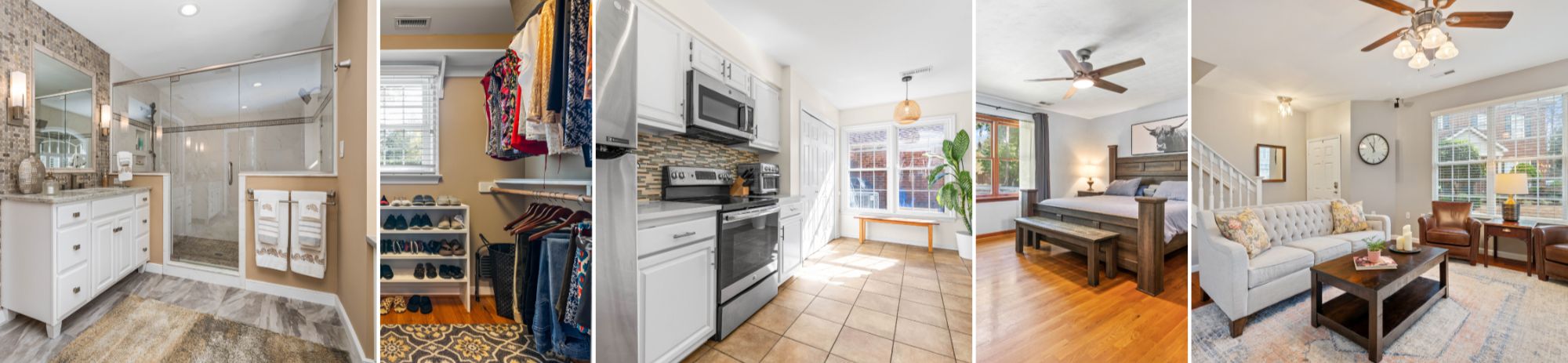
Staging is not about making the house feel fake. It is about making it easy to understand. Easy layout, good flow, and rooms that look like they can handle real life.
That is the best way to stage a home for sale.
Furniture Arrangement and Flow
Good flow helps showings and photos.
- Create clear paths. No obstacle courses.
- Use appropriately sized furniture. Oversized pieces make rooms feel smaller.
- Define each space. If a dining room is storing boxes, it reads as “no dining space,” even if it is a great room.
- Consider floating furniture. Pulling a sofa off the wall can define a room better than lining everything up around the perimeter.
Local texture: a lot of Virginia Beach homes have that “drop zone” near the door for shoes, bags, and beach stuff. For showings, that area needs to look calm and purposeful.
Neutral Colors and Decor
Neutral does not mean boring. It means broadly readable.
- Keep the palette calm. Soft whites, warm grays, light beiges.
- Use texture, not statements. Linen, wood tones, simple art.
- Limit decor. A few pieces that finish the room, not ten pieces that compete.
The goal is to show the home’s features, not the homeowner’s style.
Let in Natural Light
Light is a selling feature, especially in photos.
- Clean windows inside and out.
- Open blinds and curtains fully.
- Replace burnt bulbs and match bulb color. Mixed lighting makes rooms look odd.
- Trim landscaping that blocks windows.
One-liner: Bright, clean, and easy to walk through beats trendy every day.
Price It Right from the Start
Pricing is the lever that affects everything: showings, urgency, negotiation, and whether you end up chasing the market. If you want to sell home quickly tips that actually matter, this is the section to take seriously.
Work with Your Agent on Comparative Market Analysis
A comparative market analysis (CMA) is how you price based on reality.
A well-built CMA typically looks at:
- Recent closed sales that match your home’s size, condition, and location.
- Active listings as your direct competition.
- Pending sales for the most current snapshot of what buyers are accepting.
- Adjustments for real differences like renovations, lot size, garage, views, and overall finish.
Quick definition: assessed value is used for property taxes. Market value is what buyers will pay today. They are not the same thing, and confusing them is a common pricing mistake.
The Danger of Overpricing
Overpricing is not just “you might get less.” It changes buyer behavior.
- Buyers filter by price first, online and in person.
- Fewer showings usually means fewer chances for offers.
- More days on market can create “what’s wrong with it?” energy.
- Price reductions can help, but you can miss the initial surge of attention.
One-liner: The market forgives dated. It does not forgive confusing.
Prepare for Showings and Open Houses

Showings are where preparation turns into outcomes. You can have great staging and repairs, but if the house is hard to view or feels chaotic during tours, momentum slows.
Keep Your Home Show-Ready
Think “reset routine,” not “deep clean daily.”
- Clear counters and sinks.
- Quick floor sweep in high-traffic areas.
- Make beds, hide laundry, empty trash.
- Bathroom reset: mirror, sink, toilet, fresh towel.
If you are living in the home while it is listed, shortcuts help. A lidded basket for last-minute clutter is not fancy, but it works.
Create a Welcoming Atmosphere
Welcoming is about comfort, not performance.
- Set a reasonable temperature. Virginia Beach summers are not subtle.
- Keep scents neutral. Clean smells better than cover-up smells.
- Turn on lamps and open blinds. Dark corners feel smaller.
One-liner: Buyers remember how a house felt, even if they forget the paint color.
Make It Easy for Buyers to View
Ease matters. Complicated access can cut down showings.
- Keep access instructions simple and accurate.
- Secure valuables and medications.
- Make sure keys, locks, and gates work smoothly.
- Think through parking if your street is tight.
Local note: traffic can get weird near the Oceanfront on busy weekends, and Shore Drive can stack up fast. The easier the home is to access and tour, the smoother the showing experience.
Ready, Set, Sell!
If you want the shortest path to a solid sale, focus on what buyers react to immediately: clean presentation, obvious repairs handled, and a price that matches the market.
Here is the simple three-bucket home selling checklist I use:
- Curb appeal and clean. Make the home look cared for and feel fresh.
- Repairs that remove doubt. Fix what buyers will notice and question.
- Pricing grounded in comparisons. Use a CMA and accurate property facts, not assumptions.
That is the practical way to prepare home for sale, get home ready to sell, and give your listing the best shot at moving quickly without drama.
Categories
Recent Posts